
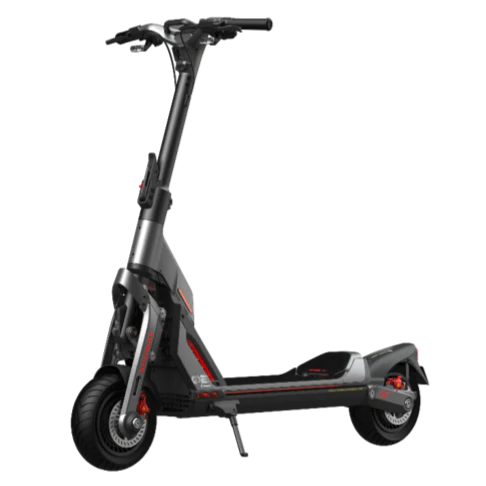
Speed alone does not make a scooter worth buying. Control does. The Segway GT2 has earned attention because it takes the wild numbers people expect from enthusiast machines and wraps them in a package that still feels built for regular American buyers with garages, commutes, weekend routes, and real streets to think about. Segway lists the GT model with dual 1500W motors, up to 43.5 mph top speed, up to 55.9 miles of max range, and 0–30 mph acceleration in 3.9 seconds, which puts it far beyond the casual rental-style scooter most people picture. For readers tracking premium mobility gear through consumer tech coverage, the draw is not hard to see: this is a machine for people who want a serious ride without stepping into motorcycle ownership. The question is whether all that muscle makes sense in daily life, or whether it turns a simple ride into too much machine.
Why Segway GT2 Power Feels Different on American Streets
Big scooter numbers can sound silly until you picture where people ride in the U.S. A wide suburban road, a long office park driveway, a hilly neighborhood in San Diego, or a weekend path outside Austin can expose the weakness of a soft commuter scooter fast. This is where power stops being a brag and starts becoming a margin. Not for reckless speed. For holding pace, climbing cleanly, and staying steady when the pavement is less polite than the brochure.
Speed That Belongs on Open Pavement, Not Crowded Sidewalks
The GT model’s listed top speed is near 43.5 mph, but that does not mean every ride should live anywhere close to that number. A scooter that can run fast also needs a rider who knows when not to. That is the part many spec sheets leave out.
On crowded sidewalks, campus paths, beach walks, and tight downtown corners, this much speed is out of place. The better match is open pavement where local law allows it, the sight lines are clear, and you have room to slow without panic. Think less “toy with a throttle” and more “small personal vehicle that asks for adult judgment.”
That is the first non-obvious appeal. A powerful consumer scooter can feel safer at moderate speeds than a weaker scooter pushed to its limit. When a small motor is straining up a hill, the ride feels nervous. When the motor has reserve strength, the scooter can hold speed without that buzzy, desperate feeling.
Why Weight Makes the Ride Calmer Than Expected
At about 116 pounds, the GT is not the scooter you carry up three flights after work. That sounds like a flaw, and for some buyers it is. Apartment dwellers with no elevator should pause hard before buying one.
But weight also changes the ride. A heavier frame can feel planted when the road gets rough, especially at speeds where light scooters start to twitch. The GT’s 11-inch self-sealing tubeless tires, front and rear suspension, and hydraulic disc brakes point toward that same goal: steadiness under load, not featherweight convenience.
A commuter in Denver with a garage and a 7-mile route may see that weight as part of the deal. A New Yorker carrying it onto a fourth-floor walk-up will see it as punishment. Both are right. The scooter is not for every rider, and that honesty makes the buying decision clearer.
Performance Specs Only Matter When You Can Control Them
Raw power gets the clicks, but control keeps the rider coming back. A scooter that launches hard but stops poorly is not exciting. It is stressful. The GT earns its premium position because the power is tied to parts that help the rider manage it: two-wheel drive, adjustable suspension, wide tires, ride modes, lighting, and strong brakes.
What a Dual Motor Scooter Changes Under Your Feet
A dual motor scooter does more than accelerate harder. It changes how the machine feels when climbing, starting, or carrying a heavier rider. Instead of asking one wheel to do all the work, power can move through both ends of the scooter, which helps the ride feel more balanced.
That matters on real routes. A rider leaving a grocery plaza in Phoenix, crossing a sloped parking lot, and merging onto a bike lane needs clean pull away from traffic. The point is not racing cars. The point is avoiding that weak, slow crawl that makes a rider feel exposed.
The catch is that two motors demand restraint. The throttle becomes more sensitive. A new rider who jumps straight into the fastest mode may mistake power for skill. That is backward. The smarter move is to spend time in lower modes, learn how the scooter reacts, then raise the pace only when the route and rider both make sense.
Brakes, Tires, and Suspension Carry the Real Story
The GT’s front and rear disc brakes, 11-inch tires, and adjustable damping matter because speed creates longer thinking distance. You do not only need stopping power. You need the scooter to stay composed while you brake, turn, and absorb rough pavement.
This is why a long range electric scooter should not be judged by battery size alone. Range means little if the ride wears you out after 20 minutes. Larger tires can soften broken asphalt. Suspension can reduce the harsh slap of pavement seams. Better brakes can make a sudden stop feel controlled instead of frantic.
There is a quiet lesson here for buyers: the fastest part of the scooter may be the least useful feature. The parts that matter most are the ones you notice when something goes wrong, like a car door opening, wet leaves in a turn, or a pothole hiding in late-afternoon shade.
Who Should Buy a High-Speed Scooter Like This
The best buyer is not the person who wants the biggest number for bragging rights. It is the person with a route, a storage plan, and enough riding sense to treat the scooter as a serious machine. The GT fits a narrow but real group of American riders: people who want stronger personal transport but do not want gas, insurance headaches, or a motorcycle license situation.
The Commuter Who Needs Range More Than Portability
A long range electric scooter makes the most sense when your trip is too far for a basic scooter but too short to make a car feel necessary. A 10-mile round trip across a spread-out suburb is a good example. So is a route from a house to a train station, then back again at night.
Range also gives peace of mind. Riders do not want to stare at the battery after every hill. They want to ride to work, stop for coffee, take a detour, and still get home without turning the last mile into a slow limp. Segway lists the GT’s theoretical range at about 55.9 miles and typical range at about 37.3 miles, though real results depend on speed, rider weight, hills, temperature, and tire pressure.
The tradeoff is storage. This is a garage, basement, office storage room, or ground-floor machine. It is not a “carry under one arm” scooter. Anyone comparing it with smaller commuter models should read a premium electric scooter buying guide before deciding where power ends and daily annoyance begins.
The Weekend Rider Who Wants Power Without a Motorcycle
Some buyers are not commuting at all. They want weekend freedom. A ride along a quiet industrial road on Sunday morning, a paved trail connector, or a large private property can make the GT feel like a new way to enjoy familiar places.
This is where the powerful consumer scooter label makes sense. It gives you the kick of acceleration without turning every ride into a full motorcycle routine. No gas stop. No engine heat. No clutch. No heavy riding jacket for a short local loop, though safety gear still matters.
The counterintuitive part is that premium scooters often reward calmer riders more than thrill seekers. A reckless rider burns through battery, brakes harder, and increases risk. A smoother rider gets more range, better tire life, and a ride that feels expensive for the right reasons.
The Ownership Reality Behind a Premium Ride
Buying the scooter is only step one. Living with it is the real test. A high-powered scooter asks for space, charging habits, tire checks, local rule awareness, and a clear idea of where you will ride. That may sound dull beside a 43.5 mph spec. It is also what separates a smart purchase from a regret sitting in the garage.
Charging, Storage, and Local Rules Shape the Purchase
The GT has a large battery, and large batteries need respect. Segway’s support page lists about 16 hours for single charging and about 8 hours with dual charging. That means owners should think in overnight cycles, not quick top-offs before leaving the house.
Storage matters too. A premium scooter should stay dry, secure, and away from places where it blocks exits or stairs. In many U.S. homes, that points to a garage corner with a safe charging outlet. In small apartments, it gets harder.
Local rules can also change the whole value picture. Some cities limit scooter speeds, riding zones, or sidewalk use. A buyer in Dallas may face a different setup than a rider in Portland or Miami. Before spending premium money, check city rules and read safe city riding habits so the scooter fits the place you live, not the fantasy route in your head.
Safety Habits Matter More as Speed Climbs
The U.S. Consumer Product Safety Commission tells riders to follow local traffic laws, wear a bicycle helmet, inspect brakes, tires, lights, frame, and throttle before riding, and use the charger recommended by the manufacturer. It also warns that injuries and deaths tied to micromobility products are increasing.
That advice sounds plain until you ride something this fast. At low speed, bad habits feel forgiving. At higher speed, small mistakes get expensive. Loose tire pressure, weak brake pads, poor visibility, or a distracted glance at a phone can turn a fun ride into a hospital visit.
A full-face helmet is worth considering for fast rides. Gloves help when a fall puts your hands down first. Bright clothing, lights, and a bell or horn help drivers notice you. None of this ruins the fun. It protects it.
Conclusion
The strongest case for this scooter is not that it makes every other ride look weak. The better case is that it brings serious speed, range, and control into a form that still works for the right private owner. It is heavy, expensive, and too much machine for casual sidewalk use. That is not a failure. That is the point.
The Segway GT2 belongs with riders who understand that power is only useful when matched with judgment. It suits garages better than walk-ups, open pavement better than crowded paths, and patient owners better than impulse buyers. For the right person, it can replace short car trips, add life to weekend rides, and make local travel feel fresh again.
Buy it for the ride you can use, not the number you can quote. That choice will tell you whether this scooter belongs in your life.
Frequently Asked Questions
How fast can the GT2 go in real riding?
Segway lists the model at up to 43.5 mph, but real speed depends on rider weight, battery level, terrain, mode, wind, and local limits. Many owners will get the best experience by treating top speed as reserve power, not a daily target.
Is the GT2 good for commuting?
Yes, it can work well for longer commutes when you have safe roads, secure storage, and a charging plan. It is less ideal for riders who need to carry a scooter upstairs, lift it often, or use crowded sidewalks.
How heavy is the GT2?
It weighs around 116 pounds, which makes it much heavier than small commuter scooters. That weight helps it feel planted on the road, but it also makes carrying, loading, and indoor storage much harder.
What kind of rider should avoid this scooter?
New riders, apartment dwellers with stairs, and anyone planning to ride mostly on sidewalks should look at lighter, slower models. This machine rewards mature handling, route planning, and safe storage more than casual grab-and-go use.
Does the GT2 have enough range for long rides?
It has strong range potential, but battery life changes with speed, hills, temperature, tire pressure, and rider size. Fast riding drains power faster. For best results, plan routes with a buffer instead of trusting the maximum range number.
Is a helmet enough for riding a fast scooter?
A helmet is the starting point, not the full plan. Gloves, eye protection, bright clothing, and careful route choices all help. At higher speeds, many riders prefer a full-face helmet because falls can happen fast.
Can the GT2 replace a car for short trips?
For some owners, yes. It can handle short local travel, errands, and commutes when routes are safe and weather cooperates. It will not replace a car for passengers, large cargo, storms, or highway-style travel.
What should I check before buying one?
Check local scooter laws, storage space, charging access, route safety, rider weight limits, and service options. Also think about where you will park it securely. The scooter makes more sense when the ownership setup is already clear.