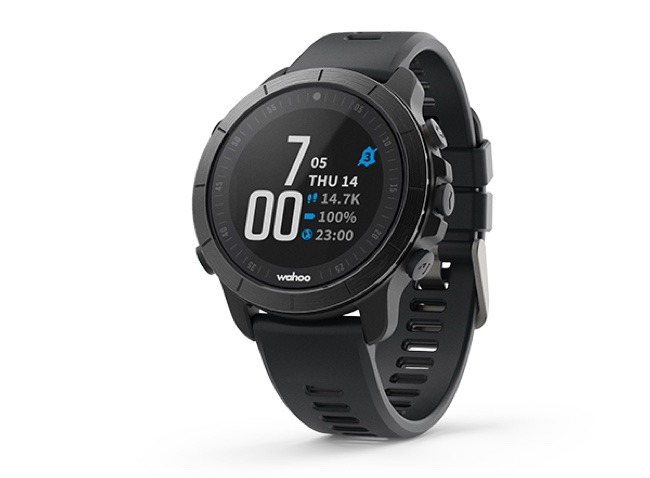
Race watches create strange hope. A small screen on your wrist promises cleaner splits, calmer transitions, and fewer mistakes when your brain is cooked after the swim. The GPS running watch conversation around Wahoo deserves that kind of calm read, because current public materials still point most clearly to the original ELEMNT RIVAL and its triathlon-first ideas, not a full public second-generation spec sheet. Wahoo’s own product page still describes RIVAL as a sport watch built around heart rate, step, calorie, and workout data, while its support pages continue to explain the feature set for existing owners.
That makes this announcement-style headline worth treating with care. For American runners, cyclists, and age-group triathletes, the better question is not whether a shiny name sounds new. The question is whether Wahoo can bring back the rare thing the first Rival got right: race flow. You can follow sports product news all day and still miss the practical point if you only chase specs. A triathlon watch has to behave well when your hands are wet, your bike is waiting, and your planned calm has left the building.
Why a GPS Running Watch From Wahoo Still Gets Triathletes Talking
Wahoo never felt like a normal watch company. It came into the wrist space from cycling, trainers, sensors, and the ELEMNT bike computer world. That matters because triathlon is not one sport with three outfits. It is a messy chain of actions where one bad button press can spoil clean data for the whole race. The brand’s past strength was not making athletes feel entertained. It was making training hardware feel plain, readable, and hard to overthink.
A runner who only trains for 10Ks can judge a watch by pace, comfort, and battery. A triathlete needs those things plus swim tracking, bike data, transition logic, sensor pairing, and post-race cleanup. That is where Wahoo’s old approach still has emotional pull. It treated the race as a chain, not a set of separate workouts. That idea still fits the American age-grouper who trains at dawn, works all day, and wants gear that behaves without a long setup ritual.
The old Rival idea still has a clean race-day logic
The original Wahoo Elemnt Rival found its lane by caring less about lifestyle tricks and more about what happens during swim-bike-run changeovers. Wahoo’s Touchless Transitions support page says the watch can calculate transitions in the Triathlon profile so athletes only need to press start once and stop once at the end. That is not a party trick. That is a race-day stress reducer.
Think about a sprint triathlon in Austin or San Diego. You come out of the water, yank off goggles, find your bike, clip on a helmet, and run through mount lines while volunteers are yelling. Nobody wants to scroll through sport modes then. If Wahoo brings that same thinking into a Wahoo Elemnt Rival follow-up, its value will sit in fewer tiny mistakes, not louder marketing.
The counterintuitive part is that less control can help. Serious athletes often want every setting under their thumb, but transition timing is one place where the watch should take over. You can edit later. During the race, your job is to move.
Where a second-generation story would need to prove itself
The first Rival also showed why a great concept is not enough. A watch can handle transitions well and still lose buyers if daily training tools feel thin beside Garmin, Coros, Polar, or Suunto. American buyers do not compare products in a vacuum. They compare them against what teammates already wear at the track, the pool, and the Saturday group ride.
A true Rival 2 story would need better GPS behavior in city blocks, stronger wrist heart-rate readings, faster workout setup, and clearer recovery guidance. Those are not luxury extras for people training before work. They are the parts that decide whether the watch stays on your wrist after the first month. A New York runner passing under tall buildings, for example, will forgive fewer GPS oddities than a cyclist on open rural roads.
Here is the quiet truth: Wahoo does not need to beat every brand at everything. It needs to own the athlete who cares more about race execution than smartwatch polish. That is a smaller audience, but it is also a loyal one.
Triathlon Tracking Has to Respect Race Chaos, Not Lab Conditions
Triathlon tracking sounds simple until race morning starts. The swim begins with elbows. The bike leg shakes through rough pavement. The run starts with heavy legs and a watch face you can barely look at. A multisport watch earns trust by staying readable and predictable when the athlete is not. That is a higher bar than normal run recording, because the watch has to survive water, speed, sweat, gloves, glare, and panic.
This is why lab-perfect claims can feel empty. A watch may look clean on a product page, then feel clumsy when you are standing near a lake at 6:20 a.m. with sunscreen on your fingers. The best race watch is not the one with the loudest menu. It is the one that gives you fewer ways to mess up. In real races, the small failures are the ones people remember: a missed split, a locked screen, a tiny data field, or a mode change that comes one minute too late.
Touchless transitions solve a tiny problem that feels huge at pace
The original RIVAL launch coverage described Touchless Transition as a way to move from swim to ride to run without the athlete manually switching each leg, and it also covered Multisport Handover with Wahoo bike computers. That handoff matters for anyone already using an ELEMNT BOLT or ROAM on the bike. Your wrist can start the story, then the bike computer can become the main screen when speed rises.
This is where Wahoo’s cycling roots help. On the bike, a watch is a poor dashboard. You do not want to twist your wrist while tucked into aerobars on a fast road outside Boulder or on a windy course near Galveston. A bike computer mounted in front of you is safer and easier to read.
The hidden win is attention. A good triathlon system does not make the athlete feel smart. It removes one more thing from the mental pile. That is why triathlon tracking should be judged by calm, not by the number of screens.
The best data is the data you can read while hurting
A watch can collect a mountain of data and still fail if you cannot read the right number in two seconds. Pace, lap time, heart rate, power, cadence, and elevation all have a place. They do not all deserve the same space at mile nine of a hot half marathon.
For newer triathletes, this is where a running watch comparison for beginners can save money. You may not need maps, music, payments, and fifty sport profiles. You may need big digits, dependable buttons, open-water swim support, and a screen layout that does not punish tired eyes.
The non-obvious point is that fewer fields can produce better racing. Four fields may look less serious than six, but fewer numbers often lead to cleaner choices. If your plan says hold a steady pace and keep your heart rate under control, the watch should make that plan easier to obey. Data should narrow the decision, not open another debate while your legs are fading.
What American Buyers Should Check Before They Believe the Hype
The U.S. endurance market loves launch language. “Announced,” “restocked,” “limited,” and “record low” can push people into buying before they check the basics. For a Wahoo watch, the basics are not glamorous: official availability, warranty path, app support, sensor pairing, and return policy. Those checks sound boring until you are five days from a race and the watch will not pair with your chest strap.
There is also a local race calendar effect. A buyer in June is often thinking about a July sprint, an August Olympic-distance race, or a fall half-distance event. That time pressure makes vague listings feel more convincing. Slow down anyway. Gear bought in a rush has a bad habit of showing its weak spots after the return window closes. The smarter move is to test a watch through several normal workouts before trusting it on a course you paid to enter.
Availability matters more than launch language
At the time of writing, Wahoo’s live support materials still center on the ELEMNT RIVAL Watch section, including product information, features, firmware, and troubleshooting. A Wahoo social reply from 2025 also said the ELEMNT RIVAL had been discontinued while support would continue for owners. That does not mean a future model cannot exist. It means buyers should not treat every Rival 2 mention as a confirmed U.S. retail listing.
For a buyer in Florida, Arizona, Oregon, or New York, that difference matters. A watch bought through an official U.S. channel is easier to return, easier to support, and less risky if the battery, strap, charger, or firmware acts up. A gray-market listing may look tempting until you need help before race week.
A plain rule works here: if you cannot find the product on Wahoo’s official U.S. site or through a trusted retailer, wait. Hype does not pace your run, record your swim, or handle a warranty claim.
Training platforms decide whether the watch fits your week
The watch itself is only one part of the system. The app decides how annoying the week feels. Wahoo’s ELEMNT app listing says workouts can be backed up to a Wahoo cloud account and uploaded to services such as TrainingPeaks, Strava, RidewithGPS, Komoot, HealthKit, and MapMyFitness. That kind of connection is useful because most American athletes already have a training log somewhere else.
Picture a working parent training for a Chicago Olympic-distance race. Monday is a treadmill run. Wednesday is trainer intervals. Saturday is an outdoor ride with a brick run. If those files land cleanly in TrainingPeaks and Strava without babysitting, the watch feels invisible in a good way.
The surprise is that app friction beats spec sheets in the long run. A watch with slightly fewer features can win your loyalty if it saves five small headaches every week. A feature-rich watch can lose you if syncing becomes a chore. Coaches feel this too. A clean file sent after the workout is better than a flashy device that leaves the athlete explaining missing laps in a text thread.
How It Compares With the Watches Triathletes Already Trust
No Wahoo watch enters an empty lane. Garmin owns a huge share of the conversation. Coros has earned respect for battery life and simple training tools. Polar keeps a steady crowd among heart-rate and recovery-focused athletes. Suunto still speaks to people who train in rough places. Any multisport watch from Wahoo has to explain why it belongs. The answer cannot be a long list of borrowed features, because buyers already have those choices.
That does not mean Wahoo needs to copy them. Copycat products rarely age well. The better path is to serve the athlete who already likes Wahoo’s button-first bike computers, simple setup, and training gear that does not ask for constant attention. A focused watch can win by being easier to trust, even if it is not the broadest device in the locker room.
Garmin, Coros, Polar, and Suunto set the bar in different ways
Garmin’s strength is breadth. A Forerunner or Fenix model can cover triathlon, maps, music, payments, recovery, workouts, and daily metrics. That makes it hard to beat as an all-around choice, especially for runners who also hike, travel, or want one device for daily life. For many buyers, that one-device promise is worth paying for, even if half the menus sit unused.
Coros often wins with battery confidence and plain menus. Polar tends to appeal to athletes who want recovery and training load presented in a calmer way. Suunto has a strong outdoor flavor. Wahoo’s best lane is different: a cleaner race system for people who already like ELEMNT bike computers and do not want their watch to feel like a phone.
That is why a Wahoo Elemnt Rival successor should not copy the market leader feature by feature. It should be sharper about the race itself. Better transitions, strong sensor pairing, easy workout pages, and bike-computer handoff would give it a reason to exist.
Wahoo’s best chance is the athlete who hates menu digging
There is a real athlete who does not want another gadget to manage. This person charges the watch, picks the workout, starts the race, and expects the device to stay out of the way. Wahoo has always been good at that personality.
A clear example is the indoor-outdoor athlete. During winter, they might ride a KICKR trainer in a basement in Minneapolis. In spring, they move outside with an ELEMNT bike computer. In summer, they race local triathlons. If the watch, trainer, sensors, and bike computer speak the same language, the whole setup feels less scattered. That kind of consistency matters more with each added workout.
Anyone racing a sanctioned U.S. event should also read the USA Triathlon multisport rules, because the device is only one part of race readiness. The watch can help you measure effort, but it cannot fix a forgotten race belt, an illegal draft, or a messy transition area. For gear planning, a triathlon gear buying guide should start with rules, fit, and repeatable habits before upgrades.
Conclusion
The best watch stories are not about screens. They are about the moment an athlete stops thinking about the device and starts trusting the work. That is why Wahoo still has a place in this conversation, even with public information around a second-generation model needing careful verification. The original Rival had a sharp idea: make multisport racing less fussy.
If the GPS running watch returns under a Rival 2 banner, it should not chase every lifestyle feature on the market. It should double down on clear race pages, dependable buttons, strong app sync, and triathlon tools that solve problems athletes feel in their hands and legs. That would make it different in a market full of watches trying to be everything.
For U.S. buyers, the smart move is simple. Check the official channel, confirm support, compare it against your race calendar, and buy the watch that makes training easier to repeat. Do a pool session, a trainer ride, an outdoor run, and a brick before you trust any new device on race day. The right device should disappear into the rhythm of your season.
Frequently Asked Questions
Is the Wahoo Elemnt Rival 2 officially available in the United States?
Public results did not show a clear official U.S. product page for a Rival 2 at the time of writing. Buyers should verify availability through Wahoo’s official site or trusted retailers before acting on launch-style headlines, social posts, or marketplace listings.
What made the original Wahoo Elemnt Rival useful for triathlon?
Its standout idea was automatic transition detection in triathlon mode. Instead of manually changing from swim to bike to run during a race, athletes could focus on movement and review timing later. That made it appealing to racers who hate mid-race button work.
Is a Wahoo watch better than a Garmin for triathletes?
Garmin is stronger for broad features, maps, wellness tools, and daily smartwatch use. Wahoo’s appeal is narrower. It makes more sense for athletes who already use Wahoo bike computers or prefer a simpler race-focused setup over a feature-heavy wrist device.
What should runners check before buying any new Wahoo watch?
Check official availability, warranty coverage, battery claims, swim support, app syncing, sensor pairing, and return terms. A strong headline is not enough. The watch needs to match your training platforms, race distance, eyesight, and comfort with button-based controls.
Does triathlon tracking matter for beginners?
Yes, but only when it reduces confusion. Beginners often benefit from simple swim-bike-run recording, large data fields, and easy syncing. Advanced metrics can wait. A watch should help you finish training sessions with cleaner records, not make setup feel harder.
Can a Wahoo watch work well with TrainingPeaks and Strava?
The ELEMNT app has supported uploads to major training platforms, including TrainingPeaks and Strava. That matters for athletes using a coach, a structured plan, or social training logs. Always check current app compatibility before buying a new or used model.
Should I buy the older Wahoo Elemnt Rival if I find it discounted?
It can make sense for budget-minded triathletes who accept older hardware and limited future upside. Confirm support, charger availability, battery health, and return terms first. A cheap watch is not cheap if it fails near your race date.
What is the biggest feature Wahoo should improve in a Rival successor?
GPS accuracy, wrist heart-rate quality, workout setup, and recovery feedback would matter most. The original race-flow idea was strong. A successor would need modern training basics to match how American athletes train across roads, pools, trainers, and race weekends.