A good blender deal can make a practical cook pause, especially when the machine has a name people still search long after its shelf life. The Vitamix 6300 is getting attention because it sits in a rare lane: an older high-performance model with preset controls, a large jar, and the kind of motor base many U.S. kitchens bought for daily work, not decoration. If you see a clearance tag, the smart move is not to rush. Check condition, warranty notes, return terms, container wear, and whether the price beats newer reconditioned machines. That is where the real value sits. For readers who follow deal timing through consumer product news, this story matters because a programmable blender can be a bargain or a headache depending on what comes in the box. A low number on the checkout screen means less if the lid is loose, the container is cloudy, or the seller treats “open box” like a magic phrase. The better buy is the one that still fits how you cook on a Tuesday night.
Why Vitamix 6300 Clearance Pricing Needs a Calm Buyer’s Eye
Clearance has a way of making ordinary shoppers act like auction bidders. A tag drops, stock looks thin, and suddenly a counter appliance feels urgent. That pressure is exactly why this deal deserves a slower look. The older 6300 model can still make sense for smoothies, hot soup, frozen desserts, sauces, and meal prep, but its value depends on proof, not excitement. Current listings for older units can vary by condition, seller, and accessories, with resale marketplaces showing both complete machines and replacement containers rather than a single clean retail price. That spread should make you more careful, not more nervous. It means the buyer who checks details has an edge over the buyer who only sees a markdown. In practical terms, two listings that look similar at first glance may be miles apart once you check container condition, shipping cost, and whether the seller accepts returns after a motor test.
What a clearance blender deal should include before you buy
A true clearance blender deal should answer three questions before your card comes out: is it new, who backs it, and what parts are included? Those sound plain. They save money. A missing tamper or tired container can turn a proud “deal” into a parts hunt by the end of the week.
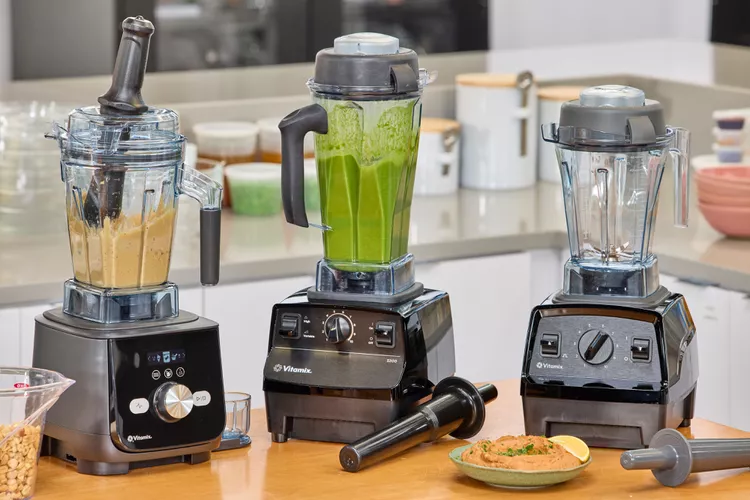
The official owner’s manual shows this model with a tall 64-ounce container, two-part lid, tamper, control panel, on/off switch, and base. That matters because listings sometimes show beauty shots instead of the full kit. When you compare offers, match the seller photos against the actual parts list, then ask about any missing item before paying. A real kitchen buyer should care about the lid plug as much as the motor base, because that small piece is what lets you add oil, water, or ingredients without stopping the machine.
Here is the non-obvious part: the lowest price is not always the cheapest path. A higher-priced unit from a seller with cleaner return terms may beat a mystery box with no history. For a family in Ohio making smoothies before school, the first problem is not whether the motor sounds heroic. It is whether the lid seals when frozen fruit starts jumping.
Why older Vitamix models still pull attention
Older Vitamix machines have a strange staying power in American kitchens. They do not feel trendy. They feel like tools. People keep them on counters through diet changes, new apartments, baby food phases, protein shakes, and winter soup runs.
The 6300 model sits in that useful middle ground because it adds preset blender settings without turning the whole experience into a screen-based routine. You can set a program and walk back to the cutting board, but you can also control texture by hand. For many cooks, that is better than a machine that tries to think for them. A parent making applesauce from soft fruit will use it differently than someone crushing ice for a frozen drink after mowing the lawn, and the machine should allow both styles without making either one feel fussy.
There is also a resale reason. Parts, containers, and adapters for classic Vitamix lines remain visible in the market, which gives shoppers more confidence than they would have with a one-season appliance. Compatibility still needs checking, but the ecosystem around these older bases is part of the draw. The deal is not only about the motor. It is about how easy the machine is to keep in service.
How the Presets Change Daily Blending
The appeal of presets is easy to misunderstand. They are not there because pushing a button is hard. They are there because repeatable texture is hard when you are half awake, late for work, and staring at frozen strawberries stuck to the side of a jar. This is where a programmable blender can earn its counter space without making a big show of it. It cuts down on second-guessing, which is one of the hidden reasons people stop using kitchen tools. When a machine gives the same result twice, you start building habits around it.
Smoothies, soup, and frozen desserts are not the same job
The official owner’s manual says the machine has three program settings for common recipes: smoothies, frozen desserts, and hot soup. It also says the dial can work as variable speed control with ten speed settings. That combination is the story. Presets handle the common jobs, while manual speed keeps the cook in charge when ingredients behave badly.
A smoothie asks for steady pull and enough speed to break down greens, seeds, and fruit skins. A frozen dessert needs thicker circulation, often with the tamper helping the mixture fall back toward the blades. Soup asks for a longer high-speed run, and the friction from blending can heat ingredients. Same jar, different fight. You feel that difference when spinach disappears in seconds but frozen mango sits stubbornly above the blades until the tamper nudges it down.
That is why preset blender settings feel less like a luxury after a month. They reduce the small errors that make people stop using appliances. Too short and the drink is gritty. Too long and the texture turns thin. A preset does not make the cook smarter. It makes the machine more repeatable.
Manual control still matters more than the buttons
The best use of this machine is not blind trust. It is knowing when to let the program work and when to take over. The manual’s operating instructions tell users to load liquids and soft foods first, then solids, then ice. That order is not kitchen folklore. It helps the mixture move instead of forming a frozen wall above the blades.
Think about a thick peanut butter banana shake. A preset may start well, then stall because the mix is dense. The tamper is not an accessory for show; it keeps food moving and helps break air pockets. If the machine sounds busy but the top of the mix is barely moving, the fix is not more time. It is better circulation. This is also why dry recipes and wet recipes should not be treated as the same task, even when both happen in the same container style.
The counterintuitive lesson is that presets work best for people who still pay attention. Set-and-forget blending sounds nice, but texture comes from listening, watching, and learning the machine’s rhythm. Once you know that rhythm, a programmable blender feels less like a gadget and more like a steady prep partner.
Where This Deal Fits in a Modern U.S. Kitchen
A clearance price only matters if the appliance fits your life. Plenty of Americans already own too many countertop machines: air fryer, coffee maker, toaster oven, stand mixer, maybe a baby bottle warmer in the corner. The question is not whether another appliance can do impressive tricks. The question is whether it replaces enough small tasks to earn its footprint. That is the honest test. A blender that makes one perfect smoothie and then hogs half a cabinet shelf is not a win. A blender that handles breakfast, dinner prep, and weekend batches starts to make the price feel grounded.
Small kitchens need machines that do repeat work
In a smaller apartment kitchen, the wrong blender becomes a storage problem by Friday. The tall classic container can be a tight fit under some cabinets, so buyers should measure counter clearance before getting carried away. It sounds minor until the machine lives sideways in a pantry and gets used twice a year.
The better case is daily repetition. Morning smoothies, salsa for taco night, pancake batter on Saturday, blended tomato soup during cold months, quick sauces for chicken or pasta. If that list feels like your week, the machine has a purpose. If you only make one milkshake every other month, even a clearance blender deal may not be worth the space. In a small Dallas apartment, for example, one machine that can handle breakfast and dinner prep may beat three smaller gadgets that each do one job.
For more buying context, a reader could pair this decision with a small appliance buying guide and compare it against newer compact models. A clearance unit wins when it solves repeat jobs at a lower net cost. It loses when it becomes a trophy from a sale page. Counter space is rent you pay every day, even when no money leaves your wallet.
Why durability can beat newer features
Newer Vitamix lines may offer fresh programs, shorter jars, and updated styling. Certified reconditioned models on the official site also show how aggressive pricing can be on newer alternatives, with features such as 64-ounce capacity, preset programs, and multi-year warranty support depending on the model. That makes comparison shopping worth doing before treating any older sale as an automatic win.
Still, older machines can have a charm that is more practical than nostalgic. Knobs and switches are easy to read. The base feels familiar. You can teach a teenager to make a smoothie without asking them to scroll through modes. That matters in a busy kitchen. It matters even more for households where several people use the same appliance and nobody wants to learn a private little ritual before making lunch.
The non-obvious part is that fewer modern features may mean fewer reasons to ignore the machine. You do not need an app to blend soup. You need power, a good lid, a jar that does not leak, and controls that make sense when your hands are wet. Fancy rarely beats familiar at 7:10 a.m.
What to Check Before Taking the Deal Home
By the time a buyer reaches the checkout page, emotion has usually done too much of the work. The final step should be boring on purpose. Read the listing like a repair tech, not a fan. Every missing detail is a future chore, and every unclear phrase should make you ask one more question. A good seller will not mind basic checks. A weak seller will hide behind soft wording such as “tested” without saying what was tested. That gap is where bad purchases live. This is especially true with heavy appliances, because return shipping can erase the savings fast.
Inspect the container, blade area, and controls
Start with the container. Cloudiness is common on older jars, but cracks, warped lids, deep scratches, and loose blade assemblies are different concerns. A cloudy jar can still blend. A leaking jar can ruin the base. Ask for photos from the side, bottom, lid, and blade area if the listing is not clear.
Then look at the controls. The 6300 model uses an on/off switch, a start/stop switch, a pulse switch, program positions, and variable speed. The manual notes that program blending speeds and duration vary, and that programs stop at the end of their cycle. If a seller cannot confirm that the dial, pulse, and presets behave as expected, the discount should be deep enough to cover risk. A tiny hesitation on the pulse switch may not sound scary in a listing, but in daily use it becomes the kind of annoyance that makes you avoid the machine.
A simple test tells you a lot. Fill the jar with water, run low speed, then increase speed. Listen for rough bearing noise, burning smell, or sudden shutoff. No used blender will feel factory fresh forever, but it should sound strong and steady, not like it is begging for retirement.
Care habits can protect the bargain
Cleaning is part of the deal math. Vitamix’s own blender care guidance says a countertop blender can be cleaned by adding warm water and dish soap to the container and running the machine, then rinsing and drying it well. That habit matters more than people think because residue, mineral film, and sticky oils can make a good machine look older than it is.
Do not wait until nut butter hardens under the lid. Rinse after use, run the cleaning cycle, and let the container dry with airflow. If you make spicy sauces or garlic-heavy dressings, clean twice. Smell hangs around longer than pride. A quick rinse also helps you spot early leaks, because water on the counter is easier to explain before the base has been sitting in it.
For a longer kitchen setup plan, compare this purchase with kitchen organization ideas for daily cooking. A blender that is easy to reach and easy to clean gets used. One hidden behind mixing bowls becomes a memory of a sale, which is the saddest kind of bargain.
Conclusion
A clearance tag can be useful, but it should never do your thinking for you. The smarter move is to treat this older Vitamix like a serious kitchen tool with a price test attached. Check the jar, lid, tamper, controls, seller terms, and the cost of any missing parts before deciding the savings are real. A smart Vitamix 6300 purchase makes the most sense for homes that blend often and value preset help without giving up manual control. It is less convincing for buyers who want the newest warranty package or a shorter jar for tight cabinets. The best deal is the one that still feels smart after the first week, when the sale rush is gone and breakfast still needs to happen. The quiet test is simple: would you still want it if the sale banner disappeared? For home cooks who blend several times a week, the answer may be yes. For casual users, patience may reveal a better fit later. Buy the machine only if it fits your routine, your counter, and your standards.
Frequently Asked Questions
Is the 6300 blender worth buying on clearance?
Yes, if the price is low, the unit is complete, and the seller offers clear return terms. It makes the most sense for frequent smoothie, soup, sauce, and frozen dessert use. Skip it if the container is damaged or key parts are missing.
What preset programs does this older model include?
It includes programs for smoothies, frozen desserts, and hot soup, along with variable speed control. Those preset blender settings help with repeat tasks, while the manual dial gives you more control over texture when recipes are thick or uneven.
How should I compare a used unit with a newer reconditioned blender?
Compare total cost, warranty, jar size, seller backing, and included accessories. A used clearance price may look better at first, but a newer reconditioned machine can win if it includes cleaner support and fewer unknowns.
What parts should come with the blender?
Look for the motor base, 64-ounce container, two-part lid, lid plug, and tamper. A manual is helpful, though digital copies may be available. Missing parts are not always deal breakers, but replacement costs should affect your offer.
Can this blender heat soup?
High-speed blending can heat certain soup mixtures through blade friction during the soup program. Ingredients and starting temperature affect results. Always secure the lid, avoid overfilling, and follow safety guidance when blending warm or hot foods.
Is a programmable blender better than a basic blender?
It is better for people who repeat the same tasks often and want steadier results. A basic blender can work for light jobs, but a programmable blender with power, pulse, and speed control gives more room for thick blends and texture control.
What should I test before keeping an open-box unit?
Run it with water at low and high speeds, test pulse, test the presets, check for leaks, and listen for harsh noise. Inspect the container bottom and lid seal. Any burning smell or unstable control behavior should be treated seriously.
How do I keep the container from getting cloudy?
Rinse soon after blending, run warm water with a small amount of dish soap, then air-dry with airflow. For film or odor, clean again before storage. Avoid letting sticky mixtures sit, since residue becomes harder to remove over time.