
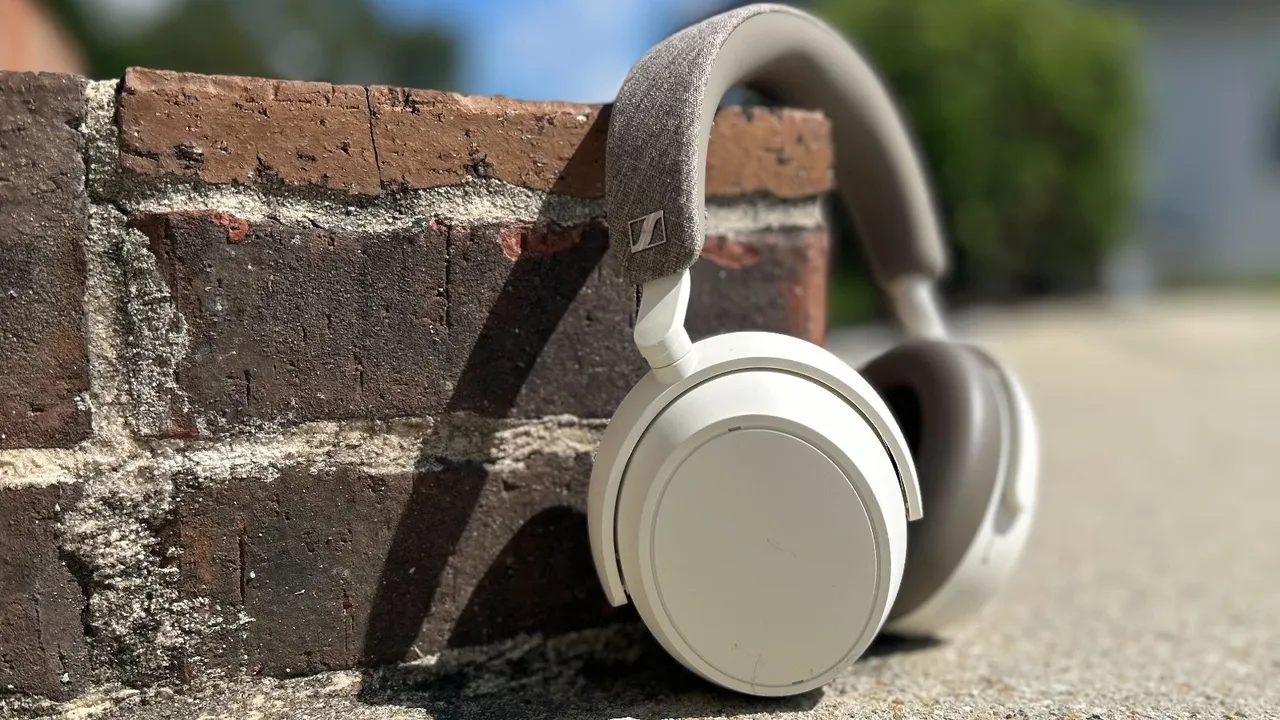
A serious headphone discount does not matter unless the product still feels worth owning after the checkout excitement fades. That is why the Sennheiser Momentum 4 Wireless deal is getting so much attention from U.S. shoppers who care about sound first, not hype first. Recent Prime Day deal coverage has shown the model near $179.95, a record-low range that changes the value conversation fast. For commuters, remote workers, students, and frequent flyers, this is no longer only a premium audio pick. It becomes the kind of buy you compare against Sony, Bose, Apple, and Beats before spending more. The official spec sheet gives it up to 60 hours of battery life, adaptive noise cancellation, transparency mode, and a 42mm driver system, which explains why bargain hunters are treating this sale like a rare opening. For more consumer tech updates and deal context, digital shopping coverage can help readers track what deserves attention before prices move again.
Why This Price Drop Changes the Whole Headphone Debate
The usual premium headphone argument is simple: pay more, get more. That sounds tidy until a proven model drops low enough to sit near midrange options. At that point, the question changes. You are no longer asking whether a luxury pair beats cheap headphones. You are asking whether the cheaper pair still makes sense.
The sale matters because the product was never a weak model
Some discounts feel like stores clearing out gear nobody wanted. This one feels different. The Sennheiser pair already had a strong identity before the price cut: long battery life, warm audio, grown-up styling, and noise control good enough for daily life.
That matters because a wireless headphones deal can hide a lot of compromise. A flashy discount on a weak product still leaves you with weak headphones. Here, the sale is attached to a model people were already considering at a higher price.
A real example is the hybrid worker who uses headphones for Zoom calls at 9 a.m., music at lunch, and a noisy train ride home. Battery anxiety is not a small issue for that person. A 60-hour claim means fewer midweek charging habits and fewer dead-headphone mornings.
A lower price makes sound quality harder to ignore
Noise cancellation often gets the loudest marketing. Yet sound is where many people live with the purchase. A pair can block office chatter and still feel flat when you play jazz, hip-hop, country, or podcasts.
This is where the discount gets interesting. When these headphones sat closer to full retail, some shoppers picked Bose or Sony for stronger name recognition in active noise canceling. At a record-low price, the Sennheiser tuning becomes harder to dismiss.
The non-obvious part is that the “best” headphone is not always the one with the most aggressive silence. For many U.S. buyers, the better choice is the pair that makes music feel fuller while still calming the room. That balance is where this model earns its second look.
Sennheiser Momentum 4 Wireless Deal Value for U.S. Buyers
Price cuts hit differently in America because shoppers are trained to wait. Black Friday, Memorial Day, Prime Day, back-to-school sales, and holiday markdowns all teach the same lesson: the sticker price is only part of the story. This deal fits that pattern, but it also carries a warning. Popular audio discounts do not always stay friendly for long.
The best buyer is someone who listens for hours, not minutes
These are not the best pick for someone who only needs headphones for one gym session per week. They make more sense for people who wear over-ear headphones as part of daily life. Think desk work, flights, studying, editing videos, walking the dog, or zoning out after a long shift.
Comfort becomes money at that point. If a cheaper pair pinches after 45 minutes, the savings disappear. A higher-end pair at a lower price can be the smarter move because you use it longer and complain less.
A college student in Chicago, a software worker in Austin, and a frequent flyer based in Atlanta may have different lives, but their headphone needs overlap. They want long battery life, easy pairing, decent calls, and sound that does not turn thin after an hour.
Record-low pricing also exposes weak alternatives
Here is the counterintuitive part: a big sale can make cheaper headphones look overpriced. When a premium model falls near the upper-midrange shelf, the $120 to $160 options have to defend themselves harder.
Some still win on size, brand preference, or workout use. But if you want over-ear headphones for work and travel, you should compare total value instead of price alone. Battery life, comfort, app control, codec support, and build feel all count.
That is why shoppers should read a noise-canceling headphones comparison before grabbing the first marked-down pair. A lower price tag is useful only when the product fits your habits. The wrong discount is still wasted money.
What Daily Use Feels Like Beyond the Sale Tag
The price gets people to click. Daily use decides whether they feel smart three weeks later. That is where this model has an edge, because it is built around fewer interruptions. Less charging, less fiddling, less panic when you forgot the cable.
Long battery life changes your habits
A lot of headphones promise freedom, then quietly train you to keep charging them. That is annoying. You start treating another device like a pet that needs feeding.
With this Sennheiser pair, the long battery claim changes the rhythm. You can charge before a trip and stop thinking about it for days. For travelers, that matters more than another tiny app feature.
Take a New York to Los Angeles flight day. You might use headphones in the rideshare, at the gate, during the flight, while waiting for bags, and again in the hotel. A shorter-battery pair can handle that once. A long-battery pair handles the return trip too, which is the detail people notice after buying.
Noise cancellation is useful, but not the whole story
Some shoppers judge active noise canceling like a contest: which pair kills the most sound? That can help in a plane cabin or a loud office, but it is not the only measure of a good pair.
Transparency mode matters when you order coffee, cross a street, or hear a boarding call. Call quality matters when your boss joins a meeting early. App controls matter when factory tuning does not match your taste.
A useful pair of noise-canceling headphones should adapt to life, not force you to adapt to it. That is the quiet win here. You can work, travel, listen, and talk without treating the headphones like a project.
How to Decide Before the Price Moves Again
A record low creates pressure, and pressure can make people buy poorly. The smarter move is to decide in advance whether this model matches your life. Then the sale becomes a clean yes or no, not a midnight impulse.
Buy for your listening style, not the loudest headline
If you mostly listen to music and podcasts for long blocks, this model makes sense. If you want the deepest possible cabin silence above all else, compare it carefully with Bose and Sony first. If you are locked into Apple devices and care about spatial audio features, AirPods Max may still tempt you, even at a higher price.
That does not make one choice right for everyone. It means the right pair should match the job.
A parent working from home in a noisy kitchen may need comfort and voice clarity. A student in a dorm may need battery life and strong sound. A traveler may need carry comfort and dependable ANC. Those are different buying reasons, even when the product is the same.
Check return rules before chasing the lowest number
Here is a practical detail many shoppers skip: the store matters almost as much as the sale. A slightly lower price from a seller with poor return terms can become a headache.
For expensive headphones, buy from a retailer you trust. Check whether the item is new, refurbished, open-box, or third-party fulfilled. Read the return window. Keep the packaging until you know the fit works for your head and ears.
A premium headphones buying guide can help you compare comfort, battery, ANC, and warranty terms before committing. Deals come and go, but a bad fit stays annoying.
Conclusion
The smartest audio purchase is not always the newest release or the loudest brand campaign. Sometimes it is the proven model that drops into the right price range at the right moment. That is what makes this sale feel different.
For U.S. shoppers, the Sennheiser Momentum 4 Wireless now sits in a rare place: premium enough to satisfy demanding listeners, but discounted enough to challenge midrange picks. The 60-hour battery life, rich sound profile, and everyday noise control make it more than a quick deal headline.
Do not buy it because the sale clock is loud. Buy it because your daily routine would benefit from better sound, fewer charges, and headphones that feel ready when you are. If the price is still low and the return terms look safe, this is one of those deals worth acting on before the shelf resets.
Frequently Asked Questions
How much are these headphones during the record-low sale?
Recent deal coverage has placed the sale price around $179.95 in the U.S., though prices can change by retailer and stock level. Check the final checkout page, seller name, return terms, and whether the item is new or open-box before buying.
Is this headphone deal worth it for travel?
Yes, especially for long trips where battery life matters. The long playback rating, over-ear fit, active noise cancellation, and transparency mode make it useful for flights, airports, trains, hotel rooms, and work sessions away from home.
Are these better than Sony or Bose headphones?
They can be better for listeners who value sound character and battery life. Sony and Bose may still appeal more to buyers who want stronger noise cancellation controls or a different fit. The best choice depends on your daily use.
Do these headphones work well for remote work calls?
They should work well for many home-office users because they include beamforming microphones and wireless calling features. For heavy meeting schedules, test them in your own room because background noise, Wi-Fi calling apps, and laptop Bluetooth quality can affect results.
What makes the battery life stand out?
The official rating is up to 60 hours, which is far longer than many premium over-ear rivals. That matters for people who forget to charge devices, travel often, or wear headphones across several workdays without wanting another cable routine.
Should I wait for Black Friday instead?
Waiting can make sense if you do not need headphones soon. Still, record-low pricing is not guaranteed to return on the exact color or seller you want. Buy now only if the price, return policy, and your actual need line up.
Are these good for gym use?
They are not the best first choice for sweaty workouts. Over-ear headphones can get warm, and many gym users prefer smaller earbuds with sweat resistance. They work better for walking, commuting, desk work, flights, and relaxed listening.
What should I check before ordering online?
Confirm the seller, condition, warranty, return window, color, and final price after tax. Also check whether the listing is for the exact over-ear model, not earbuds or an older version with a similar name.