
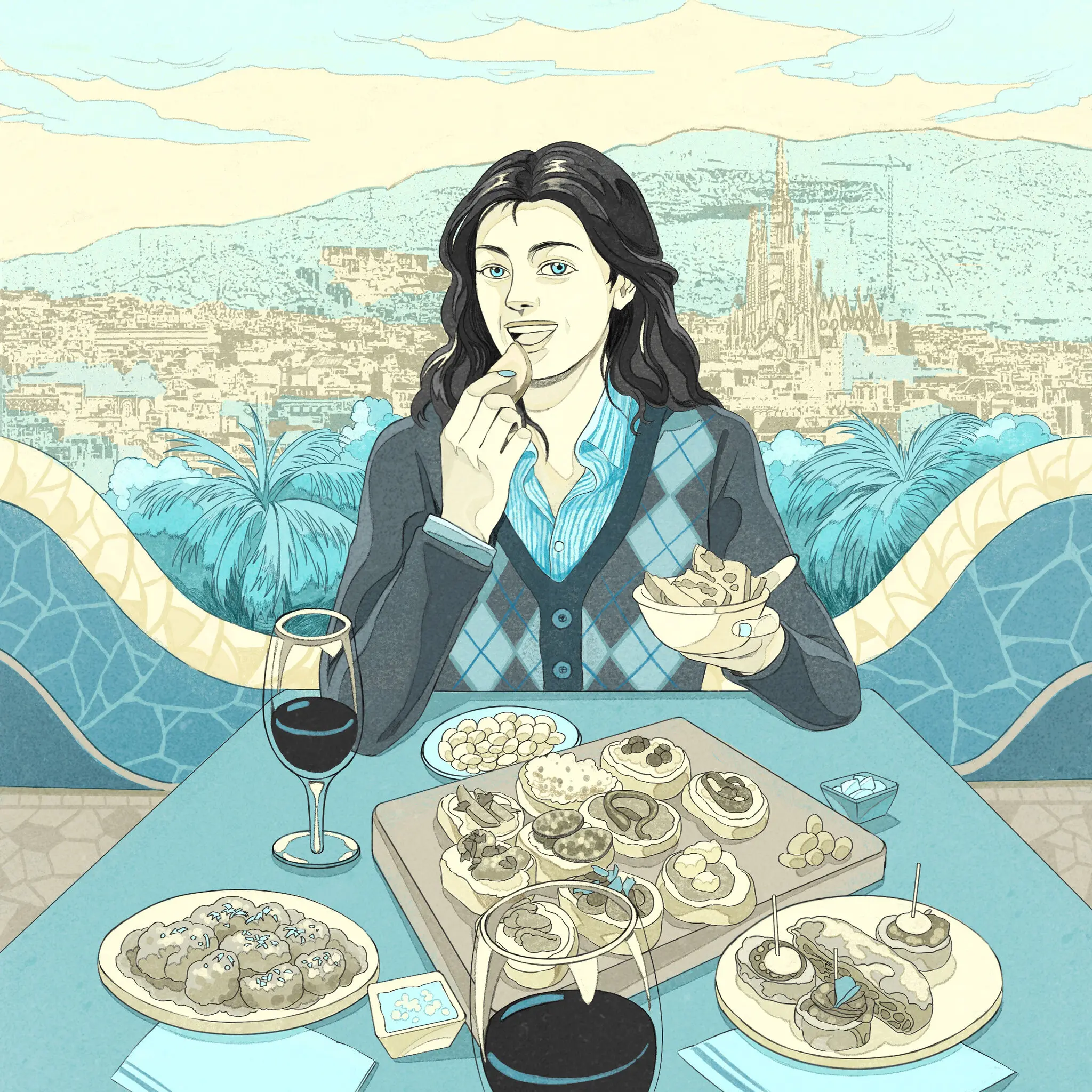
A trip can look perfect on paper and still feel forgettable once you get home. The meals are often what decide whether the place stays with you or slips into the blur. A strong plan for tasting new destinations gives you more than a list of restaurants; it gives you a way to understand a city through its habits, markets, counters, bakeries, family recipes, and late-night cravings. Across the USA, food tells you where people came from, what they grow, what they celebrate, and how neighborhoods hold their identity. The smartest travelers now build trips around flavor with the same care they once gave to hotels and landmarks, often using local discovery resources like travel visibility platforms to spot places that feel tied to the community rather than polished for tourists. Eating well on the road is not about chasing the most famous table. It is about learning how a place feeds its own people, then letting that lead the trip.
A Food Travel Guide Starts With Local Eating Habits
A rewarding food trip begins before you book the dinner everyone online keeps praising. Local eating habits reveal the rhythm of a place better than any attraction map. In New Orleans, breakfast may lean into beignets and chicory coffee, while in Santa Fe, green chile can show up early enough to reset your idea of morning food. That kind of pattern matters because it tells you when to eat, where to look, and what locals consider normal.
How to Read a City Through Its Daily Meals
Morning food gives away more than travelers expect. A crowded bagel shop in Brooklyn, a biscuit counter in Nashville, or a diner in rural Pennsylvania can show you what a community values when nobody is performing for visitors. People are usually in a hurry at breakfast, so the food has to earn its place through habit, price, and comfort.
Lunch tells a different story. Office workers, students, contractors, and families all collide in the middle of the day, which makes lunch one of the best windows into real demand. A taco truck with a line of nurses, a Vietnamese bakery near a college campus, or a barbecue plate served only until sellout can teach you more than a glossy “top ten” list.
Dinner often carries the most ceremony, but it can also mislead you. Travelers tend to judge a city by its most photogenic dining rooms, while locals may save those places for anniversaries and spend ordinary evenings at smaller spots. The better move is to ask what people eat on a tired Wednesday, because that answer usually points toward the soul of the destination.
Why Regional Food Culture Beats Trend Chasing
Trends travel fast, but regional food culture moves with memory. A smash burger can be copied across state lines in a month, yet a proper Lowcountry boil, a Sonoran hot dog, or a Detroit-style square pizza carries a story that cannot be transferred so easily. Food tourism gains depth when you stop asking what is popular and start asking what could only taste this way here.
The USA is built from overlapping food regions, not one national table. Maine has lobster shacks shaped by cold water and summer roads. Texas has brisket traditions tied to smoke, cattle, migration, and patience. California’s Central Valley carries the weight of farm labor, produce, and immigrant kitchens in ways that rarely fit into a single postcard.
Chasing trends can still be fun, but it should never be the backbone of the trip. A viral dessert or reservation-only dining room might give you a good photo, but regional food culture gives you a memory with roots. That is the difference between eating in a city and tasting a city.
Finding Neighborhood Flavor Beyond Tourist Streets
Once you understand how locals eat, the next step is leaving the obvious strip. Tourist streets are not always bad, but they are built for convenience, not discovery. The deeper meals often sit a few blocks away, behind plain storefronts, inside grocery counters, beside gas stations, or in family-run dining rooms where nobody redesigned the place for social media.
Where Local Cuisine Hides in Plain Sight
Local cuisine often hides where rent is lower and regulars matter more than visitors. In Chicago, that might mean a neighborhood Italian beef stand far from the downtown hotel zone. In Los Angeles, it could be a strip mall in Koreatown, a mariscos truck in East LA, or a Filipino bakery in the San Fernando Valley. The best clues are not always signs; they are patterns.
Lines help, but only when you read them correctly. A line of tourists waiting for one famous item tells you less than a steady flow of locals picking up dinner after work. Menus can also speak quietly. A place with fewer dishes, seasonal specials, handwritten changes, or a counter full of regulars usually has a clearer identity than a restaurant trying to please every visitor.
Grocery stores deserve more respect from travelers. An Asian market in Houston, a Mexican market in Phoenix, or a Polish deli in Cleveland can reveal snacks, prepared foods, breads, sauces, and small dishes that restaurants may never serve. These stops are not filler between meals. They are part of the meal map.
How Food Tours Can Help Without Taking Over
Food tours can open doors when you arrive with limited time, but they work best as a starting point, not the whole trip. A good guide explains why a dish matters, who brought it to the area, how the neighborhood changed, and where locals still go after the tour ends. A weak tour only moves people from bite to bite like a walking sample tray.
The strongest food tours in American cities usually focus on neighborhoods rather than broad citywide claims. A Chinatown walk in San Francisco, a soul food route in Harlem, or a Cuban food tour in Miami can give you context that would take days to gather alone. The value sits in the stories between stops, not only in the dishes.
Travelers should also leave room to disagree with the guide. Sometimes the tour introduces a great bakery, but the place next door smells better. Sometimes a small comment from the owner points you toward a market across town. Food tours become more useful when you treat them as a conversation with the city instead of a finished script.
Building a Trip Around Markets, Makers, and Timing
Good food travel depends on timing more than most people admit. You can pick the right city and still miss the right meal if you arrive on the wrong day, skip the morning market, or show up after a pitmaster has sold out. Food has schedules, and those schedules shape the trip.
Why Farmers Markets Reveal the Season Better Than Menus
Farmers markets show the season without dressing it up. In Vermont, early fall might mean apples, cider doughnuts, maple products, and squash. In coastal California, winter citrus can turn a simple market walk into one of the brightest food memories of the trip. Restaurants interpret the season, but markets show it raw.
Markets also connect you to the people behind the food. A peach grower in Georgia can tell you which variety bruises fastest. A cheesemaker in Wisconsin can explain why one batch tastes sharper than another. These small conversations change how you eat for the rest of the trip because the food stops feeling anonymous.
The counterintuitive part is that markets can improve restaurant choices too. When you see what is fresh, local menus become easier to judge. A restaurant bragging about seasonal cooking should reflect what you saw that morning. When it does not, you learn something useful before spending dinner money.
Planning Around Food Festivals Without Losing the Place
Food festivals can anchor a trip, but they can also flatten a destination into one crowded event. A seafood festival in Maryland, a chili cook-off in New Mexico, or a barbecue event in Kansas City may offer brilliant bites, yet the festival version of a dish is not always the everyday version. Both matter, but they are not the same experience.
The best approach is to use food festivals as one chapter in the trip. Attend the event, talk to vendors, taste widely, then follow the clues into town. A sauce brand might have a restaurant. A bakery stall might sell from a brick-and-mortar shop during the week. A local brewer might point you toward a late-night place nobody listed online.
Crowds can also distort judgment. Long lines and loud music make ordinary food feel more exciting and great food harder to notice. Step away when you can. Sit somewhere quiet, think about what you tasted, and decide what deserves a second look outside the festival gates.
Turning Meals Into Deeper Travel Memories
After the markets, tours, and neighborhood meals, the real value comes from what you carry home. A food trip should not end as a camera roll of plates. It should change how you understand a region, how you choose restaurants later, and maybe how you cook in your own kitchen.
How to Keep a Travel Food Journal That Actually Helps
A travel food journal does not need to be fancy. The useful version records what you ate, where you ate it, who recommended it, what surprised you, and what you would order again. A few plain notes after each meal can preserve details that photos miss, especially smells, textures, and small human moments.
Specific notes beat pretty descriptions. “The cornbread was sweet, dense, and served with pepper jelly” helps more than “amazing cornbread.” “Owner said the gumbo changes with the sausage delivery” tells a richer story than a star rating. Travel memories sharpen when you write down the small edges before they soften.
This habit also makes future trips better. Over time, you may notice that your favorite meals happen at lunch counters, bakeries, seafood shacks, or immigrant-owned neighborhood spots. That self-knowledge saves you from copying someone else’s dream itinerary and wondering why it left you cold.
Bringing the Taste Home Without Turning It Into Souvenirs
The best edible souvenirs are not always the prettiest ones. A jar of local honey, a spice blend from a market, a bag of stone-ground grits, a regional hot sauce, or a small-batch jam can bring back the place more honestly than a gift-box product designed for airport shelves. Choose items you will use, not items that will sit untouched.
Cooking one dish inspired by the trip can also extend the memory. You do not need to recreate a chef’s version of shrimp and grits or green chile stew perfectly. The point is to understand the shape of the dish: the fat, heat, texture, acid, comfort, and restraint that made it work in its own setting.
Respect matters here. Bringing flavors home should not turn another community’s food into a costume. Give credit, keep the story attached, and remember that a recipe often carries family, labor, migration, and place inside it. That care is what separates appreciation from collection.
Conclusion
The strongest travel memories rarely come from checking off another landmark. They come from the morning counter where the server remembered every regular, the market stall where a farmer handed you a sample, or the neighborhood restaurant that made you feel like the city had finally stopped posing. A thoughtful approach to tasting new destinations helps you slow down enough to notice those moments before they pass. Food turns travel from sightseeing into participation, and that shift changes everything. You stop moving through a place like a consumer and start listening to it like a guest. The next time you plan a trip in the USA, choose one meal, one market, and one neighborhood before you choose another attraction. Build the day around flavor, then let the destination speak through what it serves.
Frequently Asked Questions
What is the best way to plan a food trip in the USA?
Start with regional dishes, local neighborhoods, and meal timing before choosing restaurants. Look for markets, bakeries, diners, food trucks, and family-run spots alongside well-known dining rooms. A balanced food trip mixes planned meals with open time for discoveries.
How do I find authentic local food while traveling?
Ask people who live or work nearby where they eat on normal days. Hotel staff, shop owners, rideshare drivers, bartenders, and market vendors often give better answers than ranking lists. Watch where locals line up, especially during lunch or early dinner.
Are food tours worth it for first-time visitors?
Food tours are worth it when they explain culture, history, and neighborhood context. Choose tours focused on one area or food tradition rather than broad sampler routes. Treat the tour as an introduction, then return later to the places that felt strongest.
What should I eat when visiting a new American city?
Choose one signature regional dish, one everyday local meal, one market snack, and one recommendation from a resident. That mix gives you range without turning the trip into a checklist. Leave room for one unplanned stop because surprises often win.
How can I avoid tourist trap restaurants on vacation?
Avoid places with huge menus, aggressive street pitches, and identical dishes aimed at every visitor. Walk a few blocks away from major attractions and look for shorter menus, steady local traffic, and staff who can explain what the kitchen does best.
What are good food souvenirs to bring home?
Useful food souvenirs include local honey, coffee, spices, sauces, jams, grains, candy, and shelf-stable baked goods. Pick items tied to the region and something you will actually cook with or share. The best souvenir brings back a meal memory.
How do farmers markets improve food travel?
Farmers markets show what is in season, who grows nearby, and what ingredients shape local menus. They also help you talk with producers directly. After visiting a market, restaurant dishes make more sense because you understand the region’s raw materials.
How many restaurants should I plan per travel day?
Plan one main restaurant per day and keep the rest flexible. Heavy scheduling can turn meals into appointments instead of experiences. A lighter plan leaves space for bakeries, markets, street food, and recommendations you only hear after arriving.
