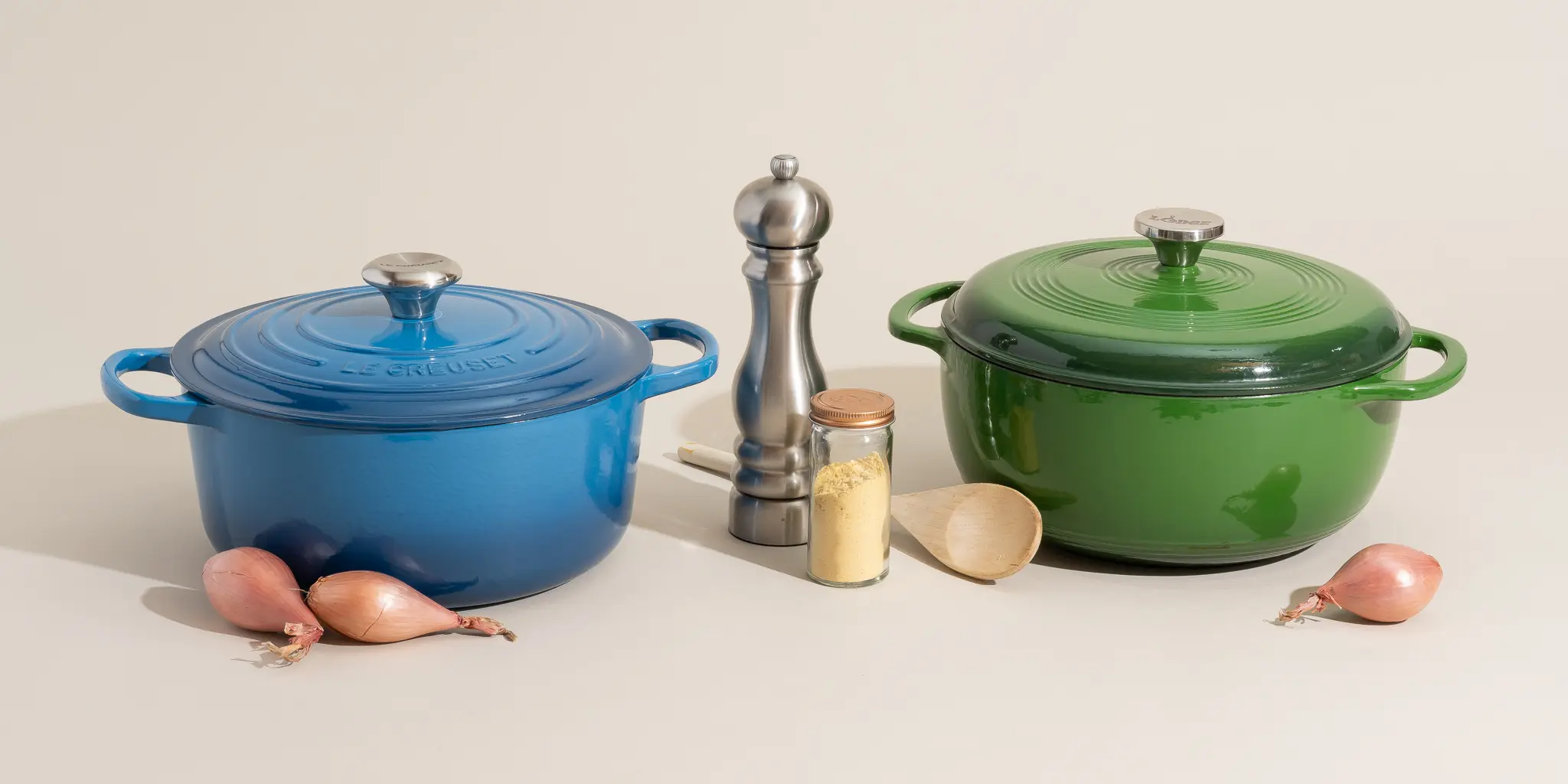
A pretty pot never goes viral for one reason. It has to look good, cook well, feel attainable, and solve a problem people already had in their kitchens. The Cast Iron Dutch Oven fits that moment because it sits at the crossroads of comfort food, practical meal prep, and the kind of home chef cookware that does not feel fragile. For readers who follow home product trend coverage, the pattern is familiar: one strong kitchen feature can push a dependable item from “I should get one someday” to “I need that for Sunday dinner.” Lodge also gives shoppers a clear reason to pay attention, since its enameled line is built around heat retention, durability, and a porcelain surface that can handle acidic ingredients, marinating, and fridge storage. The viral pull makes sense. This is not a gadget that asks you to learn a new habit. It is a covered, heavy pot that lets you cook the food Americans already love: chili, pot roast, chicken soup, baked pasta, braised short ribs, no-knead bread, and weeknight beans that taste like someone had time to watch the stove all afternoon.
Why the Viral Pull Is Bigger Than One Pretty Pot
The first mistake people make with viral kitchen gear is treating attention as the same thing as value. A red, blue, or cream-colored pot can look beautiful in a short video, but looks alone fade fast once the dishes pile up. The Lodge moment works because it connects to a deeper shift in American kitchens. People want fewer pieces that do more work. They want dinner to feel cooked, not assembled from five half-open bags. A viral clip may start the desire, yet the repeat meals decide whether the item stays. That is the real test most trend pieces never pass. It is also why the value story matters more than the flash. A cook does not need another object that wins the first week and then hides behind mixing bowls. They need a piece that earns its keep during ordinary meals.
The appeal starts before the first simmer
A heavy covered pot changes the mood of a kitchen before the burner turns on. It says stew, roast, sauce, bread, soup. It also says you are not planning to dirty half the cabinet for one meal. That matters in a small apartment in Chicago, a starter home in Ohio, or a rental kitchen in Phoenix where storage space is already crowded with air fryer baskets and mismatched plastic lids. The pot does not ask for a charging cord, an app, or a drawer full of add-ons. It asks for groceries and time.
The non-obvious part is that the visual appeal helps people cook more often. A good-looking pot left on the stove is a prompt. It reminds you that a bag of beans, a tray of chicken thighs, or a few pounds of beef chuck can become a real meal without restaurant energy. That is why enameled cookware keeps showing up in kitchens that care about both function and the table.
A home chef feature can make the pot feel new, but the need behind it is old. American cooks have always liked gear that can move from prep to cooking to serving. A covered enamel piece does that without looking like camping gear. It can sit at the center of a table beside cornbread, salad, or roasted vegetables and still look like it belongs there.
A feature can make old-school cookware feel current
Short food videos reward movement: a lid lift, a spoon drag through sauce, a bubbling edge, steam climbing into the camera. This kind of pot performs well on screen because slow food has drama. You see the onions soften, the sauce darken, the roast give way. No blinking lights required.
The better reason it spreads, though, is trust. A lot of modern kitchen tools promise speed and then need extra parts, odd settings, or counter space you do not have. A Lodge pot asks for patience instead. That sounds less exciting, but it is often what a tired cook needs: brown the meat, lower the heat, cover, and let time do some of the work.
Think about a Saturday beef stew in a suburban Atlanta kitchen. The cook starts with chuck roast cubes, onions, carrots, tomato paste, and broth. The same vessel browns, simmers, and serves. There is no transfer to a slow cooker insert and no second pan for sauce. That lack of fuss is the selling point, even if the viral clip focuses on the glossy lid.
Why a Dutch Oven Still Earns Counter Space in Small American Kitchens
Counter space has become a test of honesty. If a tool stays out, it has to earn its place. The covered cast iron classic earns it because it covers several cooking jobs without asking you to give up flavor. It can brown, simmer, bake, and hold heat at the table. A thin stockpot can boil pasta. This piece can make dinner feel settled. That matters when the kitchen is not a showplace, but a work zone between school pickup, late shifts, grocery runs, and the small daily pressure of feeding people without overspending.
Heat retention changes weeknight cooking
Heat retention sounds technical until you cook on a weak rental stove. Then it becomes dinner. A heavier pot softens the highs and lows of a burner that runs too hot on one side and too cold on the other. You still have to stir, but you get a steadier simmer for chili, lentils, sauce, and braised chicken. This is why the same recipe can taste flat in one thin pan and rounded in a heavier vessel. The ingredients did not change. The heat path did.
There is a catch people rarely mention: steady heat can make you a calmer cook. Once the pot is warm, you stop chasing the dial every two minutes. That lets you taste, season, and clean the board while the meal settles. It is not magic. It is mass.
A simple example is turkey chili on a Monday night. Brown the meat, add onion and spice, pour in tomatoes and beans, then let the pot hold a low bubble while you help with homework or pack lunch for the next day. The cooking feels slower than a skillet meal, yet the work feels lighter because the pot is doing more of it.
The quiet value of one-pot meals
One-pot cooking is often sold as a cleanup trick. That undersells it. The real value is flavor staying in one place. Browned bits do not get lost. Onion sweetness builds where the meat browned. Tomato paste darkens where the oil is already seasoned. A braising pot turns those small gains into depth. This is why a simple pot of red beans can taste better on day one, not only as leftovers. The layers had time to meet.
This is where our guide to choosing long-lasting cookware would sit well as an internal link, because the buying choice is less about owning a trendy item and more about building a kitchen that can repeat good meals. A covered enamel piece is not only for special dinners. It can handle rice and sausage, mushroom barley soup, shredded pork, and baked ziti. The same vessel also creates a cleaner mental order: brown first, add aromatics, add liquid, cover, finish. That rhythm helps new cooks more than another recipe tab.
The counterintuitive insight is that a heavier pot may save energy from the cook, not the appliance. You do lift more weight. You also make fewer moves. Fewer pans, fewer transfers, fewer moments where dinner turns into a sink full of proof that you tried too hard.
What Enameled Cookware Gets Right and Where It Needs Care
The enamel is the reason many home cooks choose this style over bare seasoned iron. It lowers the fear factor. You do not need to build seasoning before simmering tomato sauce, and you do not have to treat every wash like a ritual. Still, enamel is not invincible. It likes steady heat, soft tools, and a little patience at the sink. Think of it as durable dinnerware bonded to a serious cooking body. Strong, yes. Carefree, no.
Why the enamel matters for tomato sauce and stews
Tomato sauce is the quiet test. In bare seasoned iron, long acidic cooking can be tricky for flavor and finish if the seasoning is young or thin. Enamel gives you a glass-like cooking surface over iron, so red sauce, chili, wine-braised beef, and vinegar-laced greens feel less risky. That matters for American comfort cooking, where tomatoes, wine, citrus, pickled peppers, and vinegar often bring the meal to life. Lodge’s care guidance says its enamel surface can handle acidic and alkaline ingredients, and its cookware can be used on the stovetop and in the oven up to 500°F.
That opens the door for the kind of cooking Americans return to when the weather cools or the grocery budget gets tight. Pork shoulder with salsa verde. White bean soup with kale. Sunday gravy with meatballs. Chicken thighs with lemon, garlic, and olives. The pot does not make those meals fancy. It makes them repeatable.
Food safety still belongs in the conversation. When braising meat, tenderness tells you a lot about texture, but it is not the same as safety. The USDA safe minimum temperature guide gives minimum internal temperatures for meats, poultry, fish, and leftovers, which is why a thermometer belongs near the stove when you cook larger cuts.
The cleaning habits that protect the finish
The best care habit is boring: let the pot cool before washing. Hot enamel under cold water is not a smart gamble. Lodge recommends warm soapy water, prompt drying, gentle soap, and non-harsh scrub tools for its enameled pieces. It also says hand washing is preferred to preserve the finish, even where dishwasher use is technically allowed.
This is where some buyers get annoyed. They hear “easy to clean” and think “I can treat it like stainless steel.” No. Burnt sugar, scorched rice, or aggressive metal tools can leave marks. The better move is to soak, loosen, and clean with patience. A nylon scraper can do more good than brute force. So can lower heat at the start, because many stains begin as impatience, not bad cookware.
A real-world case: baked mac and cheese. The corners brown, cheese bubbles over, and someone leaves the pot on the counter during the game. Do not attack it with steel wool at halftime. Add warm water after it cools, let the starch soften, then wash. The finish lasts longer when you clean like you plan to own the piece for years.
How to Decide Whether the Lodge Pot Fits Your Cooking Life
A viral feature can create urgency, but cookware should be chosen by habits, not panic. The right buyer is not the person who loves the color for ten seconds. It is the person who can name three meals they would cook in it this month. If you can do that, the purchase starts making sense. The wrong buyer hopes the pot will create a cooking life from scratch. It will not. It can support a habit, but it cannot invent one. Start with last month, not your fantasy kitchen. If you made soup, pasta sauce, roasted chicken, beans, or rice dishes more than once, the case gets stronger.
Choose the size around your real meals
Size matters more than color. A smaller pot can be charming, but it will frustrate a family that makes soup for leftovers. A large one can feel powerful, but it may be awkward for a single cook who wants two portions and an easy wash. Lodge’s enameled collection includes several sizes, so the better question is not “Which one is best?” It is “What do I cook when I am tired?”
For many U.S. households, a mid-size covered pot is the safe zone. It can handle chili for four, a loaf of no-knead bread, a small roast, or enough soup for dinner and lunch. The braising pot role matters here too. You need enough floor space to brown meat without crowding, but not so much volume that sauces spread thin and reduce too fast. A pot that is a little too small becomes annoying on soup night. A pot that is too large can turn a two-person dinner into dishwashing weight training.
Color has a place, though. If a bright finish makes you keep the pot on the stovetop, you may cook with it more. That is not shallow. A tool you see becomes a tool you use. The only warning is to choose a color you can live with after the social feed moves on.
Think about storage, handles, and stovetop habits
Weight is the detail buyers forget until the box arrives. Add soup or a roast and the pot gets much heavier. Wide handles help, but you still need to move it with care. For anyone with wrist pain, high shelves, or a tight galley kitchen, storage should be part of the buying decision.
Stovetop fit also matters. A burner that is too small can heat the center while the edges lag. A burner that is too fierce can stain or stress the surface if you rush preheating. Lodge advises gradual heating and says not to heat empty enamel cookware on the stovetop. That one habit can spare you a lot of regret. It also teaches a better cooking pace: warm the pot, add fat, let the food speak through sound and smell, then turn the heat down before the bottom gets angry.
This is also where weeknight kitchen setup ideas can support the article with another internal path. The best home chef cookware does not live alone. It works with a wooden spoon, a thermometer, a good cutting board, and a sink routine you can follow on a busy night. Buy the pot for the meals, not the moment.
Conclusion
The viral attention around Lodge says something useful about how Americans want to cook now. People are tired of tools that ask for space but offer only one trick. They want pieces that feel warm, useful, and ready for the meals they already trust. The Lodge Enameled Cast Iron Dutch Oven belongs in that conversation because it combines table appeal with slow, steady cooking power. It will not make a rushed cook patient overnight, and it will not turn cheap ingredients into magic without seasoning, timing, and care. It also will not erase the need for sharp knives, safe meat temperatures, or a plan for leftovers. But it can make good meals easier to repeat, which is the quiet promise behind the buzz. Choose the right size, treat the enamel with respect, and cook the food you actually eat. If your kitchen needs one piece that can carry soup season, Sunday sauce, bread experiments, and family-style dinners, this is the kind of purchase worth considering before the next trend steals the screen.
Frequently Asked Questions
Is the Lodge enameled pot worth buying for everyday cooking?
Yes, it makes sense for cooks who prepare soups, stews, sauces, beans, roasts, and one-pot meals often. It is less useful for people who mostly reheat food or cook quick skillet dinners. The value comes from repeated use, not from the viral moment.
What size Lodge covered pot should most families choose?
A mid-size model is usually the safest pick for families because it can handle chili, soup, braised meat, and leftovers without feeling oversized. Smaller homes may prefer a lighter piece, while frequent hosts may want more room for batch meals.
Can enameled cookware be used for tomato sauce?
Yes, enamel is well suited for tomato sauce, chili, wine sauces, and other acidic foods. That is one reason many cooks choose it over bare seasoned iron for long simmers. Use moderate heat and stir enough to prevent scorching at the bottom.
How should I clean a Lodge enamel piece after food sticks?
Let it cool first, then soak with warm water and mild dish soap. Use a sponge, soft scrub cloth, or nylon scraper. Avoid metal scouring pads because they can mark the finish and turn a small cleaning job into lasting surface damage.
Is a braising pot better than a slow cooker?
It depends on the meal. A braising pot gives better browning and sauce building because everything starts in the same vessel. A slow cooker is better when you need unattended cooking for hours. Many home cooks can use both, but they solve different problems.
Can this type of pot go from stove to oven?
Yes, many enamel-covered cast iron pieces are made for stovetop and oven use, but you should check the maker’s temperature limit and handle material. Heat the pot gradually, use oven mitts, and avoid sudden temperature changes that can stress the finish.
Does the enamel need seasoning like bare iron?
No, the enamel surface does not need seasoning. That is part of its appeal for new cooks. You still need good care habits, though. Wash gently, dry well, avoid harsh tools, and do not heat the pot empty on a burner.
Who should skip buying this Lodge piece?
Skip it if you have trouble lifting heavy cookware, lack safe storage, or rarely cook meals that need simmering, braising, or baking. A lighter stainless pot may suit you better. The right choice is the one that matches your real cooking routine.