
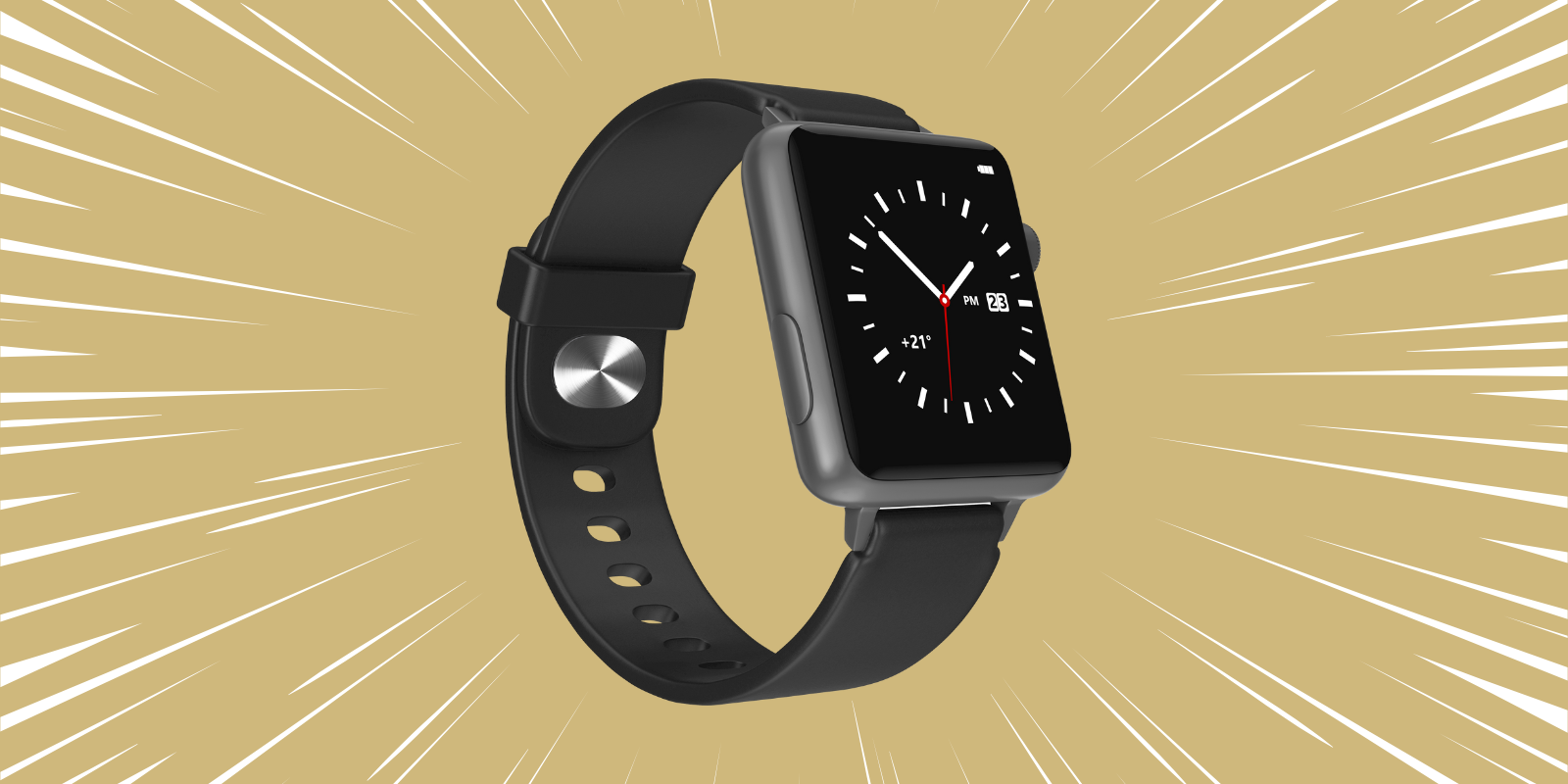
Your day leaves clues everywhere, but most people miss them until their energy drops, their back hurts, or their sleep falls apart. A smartwatch can turn those quiet clues into useful signals, especially when tracking daily activities becomes less about chasing numbers and more about understanding how your body handles real life.
For many Americans, the challenge is not a lack of ambition. It is a lack of honest feedback between work, errands, family, driving, screen time, and late-night routines. A watch on your wrist cannot fix a packed schedule, but it can show patterns you may never notice on your own. That awareness matters for anyone trying to build steadier habits without turning health into another full-time job. Even broader digital lifestyle resources, including practical online visibility tools, show how much smarter daily decisions become when the right information appears at the right time. The same idea applies to your wrist. The best smartwatch setup does not shout at you all day. It quietly helps you notice what your routine is already telling you.
Choosing Smartwatch Features That Fit Real American Routines
A smartwatch becomes useful when it matches the shape of your day rather than the fantasy version of your day. Someone working a desk job in Chicago needs different prompts than a nurse in Dallas, a delivery driver in Phoenix, or a parent managing school pickup in suburban Ohio. The better question is not which watch has the most features. The better question is which features will still matter after the excitement fades.
Fitness tracking that matches your actual movement
Fitness tracking often gets sold as a gym tool, but most daily movement happens outside the gym. Walking from a parking lot, climbing stairs at work, standing during a phone call, pacing while cooking dinner, and carrying groceries all count toward the bigger picture. A good smartwatch helps you see that your body responds to the whole day, not only the hour you label as exercise.
Many users make the mistake of treating step counts like a public scoreboard. That mindset burns out fast. A smarter approach is to compare your movement against your own normal week. If you average 4,500 steps on office days and 8,000 on Saturdays, your watch is not judging you. It is showing how your environment shapes your body.
The strongest fitness tracking setup gives you useful nudges without making you resent the device. A reminder to stand after a long laptop session can help, but constant buzzing during a meeting becomes background noise. Keep the alerts that change behavior and silence the ones that make you swipe without thinking.
Activity goals that do not punish busy days
Activity goals should bend with your life, not break your mood. A rigid target can look inspiring on Monday morning and feel absurd by Thursday night when traffic, overtime, and dinner cleanup swallow the evening. The watch should support consistency, not guilt.
A better plan uses zones instead of one fixed number. You might set a low baseline for heavy workdays, a middle target for normal weekdays, and a higher goal for weekends. That lets the device guide you without pretending every day carries the same amount of space, stress, or control.
This is where many people get the value backwards. The win is not closing every ring forever. The win is learning which conditions make healthy choices easier. If your activity goals always collapse on the same type of day, the problem may not be motivation. It may be the structure around you.
Using Tracking Daily Activities to Understand Energy, Stress, and Recovery
Numbers only matter when they explain something you feel. A smartwatch earns its place when it connects movement, rest, and strain into a clearer picture of your day. That is the real promise of tracking daily activities: not more data, but better self-reading.
Sleep monitoring that explains tomorrow before it starts
Sleep monitoring can feel personal because it touches the part of life people already know they are neglecting. Millions of adults in the USA try to operate on short sleep while acting surprised when focus, cravings, patience, and mood all slide at once. A watch does not replace better bedtime choices, but it can remove the denial.
The best use of sleep data is pattern spotting. Maybe late workouts make your sleep lighter. Maybe Sunday anxiety shows up before Monday meetings. Maybe a second cup of coffee after 3 p.m. keeps showing its fingerprints in your overnight rest. The watch cannot know the whole story, but it can point to the page worth rereading.
Sleep monitoring also helps you stop blaming the wrong thing. A rough workday may not come from poor discipline or lack of focus. It may come from five nights of uneven rest stacked on top of each other. That shift matters because it changes the fix from self-criticism to recovery.
Heart rate alerts that catch the quiet signals
Heart rate alerts should never turn someone into their own anxious medical detective, but they can be useful when handled with common sense. Your body often reacts before your mind admits anything is wrong. A rising resting heart rate, frequent spikes during calm moments, or poor recovery after light effort can nudge you to slow down and pay attention.
For example, a teacher in Atlanta might notice that her heart rate climbs every afternoon before the final class period. The watch is not diagnosing stress. It is showing that the body treats that part of the day as demanding. That insight can lead to a small change, such as a short walk, water break, or better lunch timing before the slump arrives.
Heart rate alerts work best as context, not drama. A single odd reading does not deserve panic. Repeated patterns deserve curiosity. That difference keeps the smartwatch helpful instead of turning it into another source of noise.
Building Healthier Habits Without Letting the Watch Run Your Life
The easiest way to ruin a smartwatch is to obey every notification like it came from a coach with a whistle. Your watch is a tool, not a manager. Once you accept that, it becomes far easier to create habits that feel durable instead of forced.
Turning reminders into behavior you can keep
Reminders work when they meet a real friction point. A hydration alert helps if you forget water during work blocks. A breathing prompt helps if your shoulders climb toward your ears by noon. A movement alert helps if you sit through long video calls. Random reminders, though, become digital clutter.
Strong habits usually begin with one narrow adjustment. You might use the watch to protect a 10-minute walk after lunch, track a bedtime window, or set a quiet alarm that pulls you away from scrolling at night. The smaller the behavior, the more likely it survives contact with a messy day.
There is a quiet trick here: the watch should make the right action easier to notice, not harder to avoid. Put the reminder where the habit belongs. A stand alert during deep work may annoy you, but a walking reminder after dinner may turn into a family routine. Timing decides whether the nudge helps or irritates.
Activity goals for families, commuters, and desk workers
Activity goals look different across American life because time pressure looks different. A remote worker may need movement breaks to break up chair time. A commuter may need short walking windows before or after the drive. A parent may need goals that fit around playground time, grocery runs, and household chores rather than formal workouts.
A smartwatch can make these hidden pockets easier to use. Ten minutes before school pickup, five minutes during a coffee break, or a loop around the block after dinner can matter more than people expect. The point is not to turn every free second into exercise. The point is to stop waiting for perfect conditions.
Desk workers should pay special attention to long stillness. A person can hit a workout class three nights a week and still spend most waking hours seated. That is the counterintuitive part. Fitness is not only what you add at the end of the day; it is also what you interrupt during the day.
Making Your Smartwatch More Useful With Smarter Settings
A smartwatch rarely fails because it lacks features. It fails because the setup does not respect attention. The default settings often throw too much at you, and after a week, you start ignoring the whole device. Better settings turn the watch from a buzzing accessory into a quiet daily assistant.
Sleep monitoring and notification boundaries
Sleep monitoring becomes more accurate and more useful when your evening setup supports it. Set a wind-down mode that limits alerts, dims the screen, and keeps late messages from pulling your mind back into the day. The watch should help you leave the day behind, not carry every loose thread into bed.
Notification boundaries matter during waking hours too. Keep calls, calendar reminders, health alerts, and messages from key people. Cut retail alerts, social reactions, news flashes, and app noise that adds no value. Your wrist is too close to your nervous system to become a billboard.
This is where many smartwatch owners reclaim the device. They do not buy a new model. They remove half the interruptions. A watch that interrupts less often gets trusted more, and a trusted device changes behavior far better than a loud one.
Heart rate alerts, privacy, and personal judgment
Heart rate alerts deserve a setup that fits your age, activity level, and comfort. Review alert thresholds instead of accepting every default without thought. People who train often may see different patterns than people returning to movement after years away, and the watch should reflect that difference.
Privacy also belongs in this conversation. Health data feels small until you realize how much it can reveal about sleep, stress, movement, location patterns, and routine. Use passcodes, review app permissions, and think carefully before sharing health summaries with third-party apps you barely know.
Personal judgment still has the final vote. A smartwatch can flag a trend, but you know the context around your body, your schedule, your stress, and your health history. When data and lived experience disagree, do not ignore either one. Put them in conversation and act with care.
Conclusion
A smartwatch works best when it helps you notice the shape of your life with less guesswork. The goal is not to become obsessed with rings, streaks, alerts, or overnight scores. The goal is to build a calmer relationship with your own patterns, then make small choices before problems become harder to move.
The smartest use of tracking daily activities is personal, practical, and honest. You learn when your energy dips, which habits support better sleep, how stress shows up in your body, and where movement can fit without turning your schedule upside down. That kind of awareness gives you room to act sooner.
Start by choosing one setting that would make tomorrow easier: a better sleep mode, a movement reminder, a cleaner notification list, or a more realistic activity target. Let the watch serve your life, not crowd it, and you will get more from one clear signal than from a hundred ignored alerts.
Frequently Asked Questions
What are the best smartwatch ideas for daily activity tracking?
Start with step trends, movement reminders, sleep patterns, heart rate changes, and realistic weekly goals. These features give you the clearest picture of how your routine affects energy. Avoid turning on every alert at once, because too much data makes the watch easier to ignore.
How can a smartwatch help with fitness tracking at home?
A smartwatch can track walks, stair climbing, active minutes, stretching sessions, and short workouts without requiring a gym routine. It helps you notice movement that already exists in your day, then encourages small upgrades like longer walks, standing breaks, or more consistent evening activity.
Are activity goals useful for people with busy schedules?
Activity goals work well when they match your schedule instead of fighting it. Set different targets for workdays, weekends, and high-stress days. A flexible goal keeps momentum alive because it rewards progress without making one packed day feel like failure.
How accurate is sleep monitoring on a smartwatch?
Sleep monitoring is best for spotting patterns, not proving exact sleep stages. It can show bedtime consistency, wake periods, rest duration, and broad recovery trends. Treat the data as a guide for better habits rather than a perfect medical record.
Should I turn on heart rate alerts all day?
Heart rate alerts can help, but they should be set with care. Keep alerts that flag unusual patterns and silence ones that create stress without useful action. Repeated changes deserve attention, while one strange reading usually needs context before concern.
What smartwatch settings should beginners change first?
Beginners should clean up notifications, set a sleep schedule, choose one movement goal, and turn on only the health alerts they understand. This keeps the watch useful from day one. A calm setup beats a crowded screen every time.
Can smartwatch data help reduce daily stress?
Smartwatch data can reveal when stress tends to rise, especially through heart rate patterns, poor sleep, and long periods without movement. The data alone does not reduce stress, but it can show where a short walk, breathing break, or schedule change may help.
What is the easiest way to stay consistent with smartwatch habits?
Pick one habit and attach it to a moment that already exists, such as walking after lunch or starting sleep mode before brushing your teeth. Consistency grows faster when the watch supports a routine you already understand instead of adding another task.
