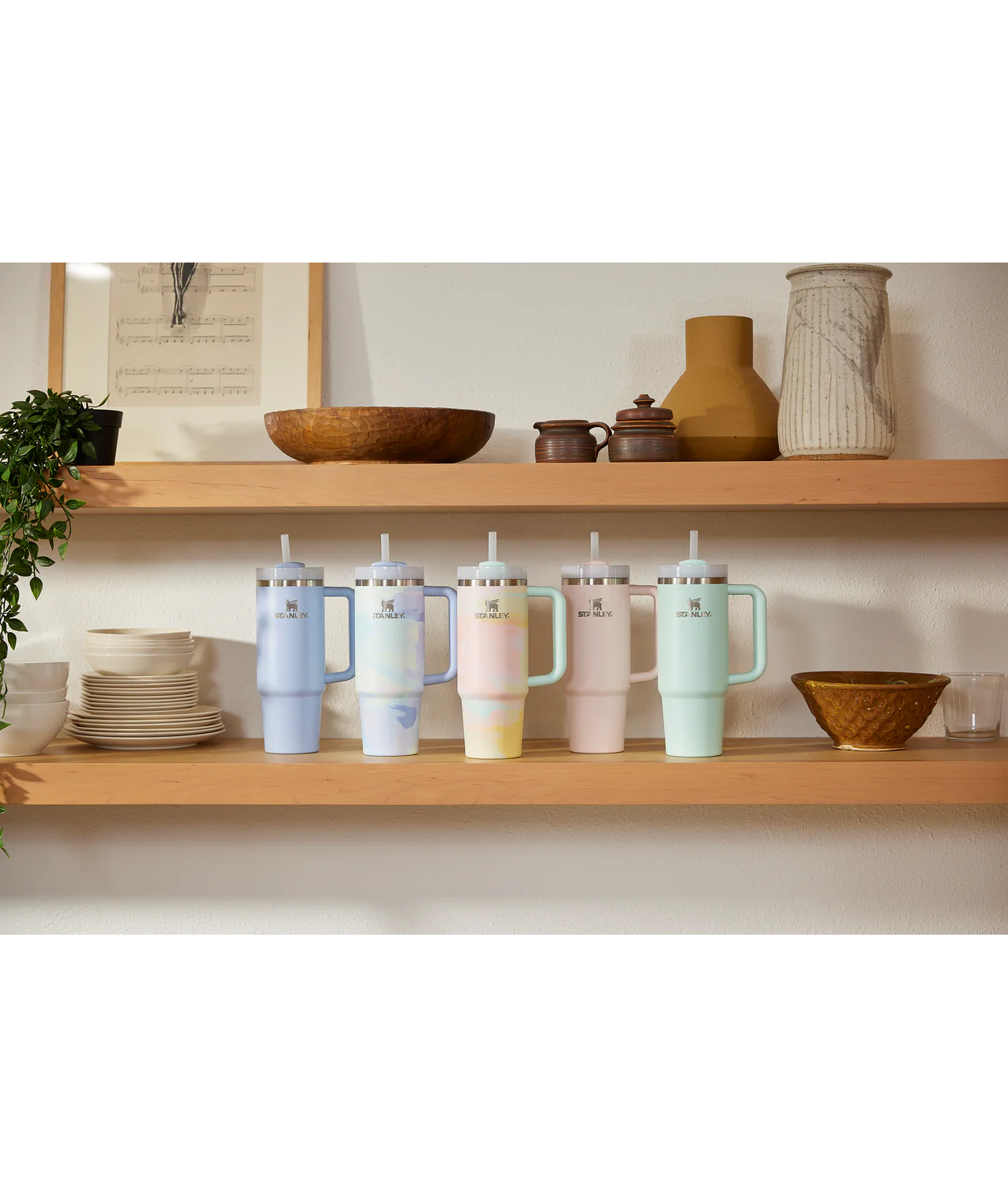
A good cup earns its spot before it earns attention. The Stanley Quencher has done both, and this new pastel run shows why the buying rush keeps coming back. For many U.S. shoppers, the pull is not only the color. It is the mix of a soft seasonal look, a daily-carry size, and a 30 oz tumbler that feels easier to live with than the oversized bottles crowding kitchen cabinets. The official 30 oz model is made with recycled stainless steel, has double-wall vacuum insulation, fits most car cup holders, and is listed for up to 9 hours cold and 40 hours iced performance. That matters when a cup goes from desk to school pickup to gym bag without much thought. In the first few paragraphs of many consumer trend reporting stories, products like this stand out because they sit between need and want. Hydration is the need. The color is the want. The smart buyer pays attention to both.
Why the Stanley Quencher Pastel Drop Feels Bigger Than a Color Refresh
Pastel shades sound soft, but the buying behavior around them is not soft at all. A pastel color drop works because it turns a practical item into something that feels timed, personal, and easy to show. That is why a cup can sell faster than a shirt. You carry it more often. You see it more often. So does everyone else.
Color turns a daily object into a small identity signal
Most people do not buy a cup only for water. They buy the version that matches the person they think they are on a Monday morning. A pale pink, butter yellow, mint, or cloud blue tumbler says something different than basic black. It feels cleaner, calmer, and less loud than neon or chrome.
That matters in the U.S. market because buyers often build small routines around visible objects. The cup sits in a car cup holder during a school run. It appears on a desk during a Zoom call. It rests beside a yoga mat, a laptop, or a stroller. The object becomes part of the day’s look.
The mildly odd part is that soft colors can create hard demand. Pastels feel gentle, but limited runs can make people move fast. The color itself is calm. The buying window is not.
Why the 30 oz tumbler size hits the practical middle
The 30 oz tumbler sits in a sweet spot. It holds enough water for a long stretch, but it is not as bulky as larger versions. That matters for commuters, nurses, teachers, parents, and students who already carry too much.
A 40 oz cup may look bold on social media, but the smaller size often wins in actual life. It is easier to lift while driving. It takes up less space on a packed desk. It feels less dramatic in a meeting room. The best size is not always the biggest one.
Think about a nurse moving between stations during a 12-hour shift. A large bottle may hold more, but a cup that fits nearby and feels comfortable in hand gets used more often. That is the quiet truth behind drinkware trends. The winner is the one people reach for without thinking.
The Real Reason Pastel Tumblers Keep Selling Out
The pastel color drop is not moving only because people love pretty colors. It is moving because Stanley has trained buyers to watch color timing like sneaker fans watch release calendars. Once shoppers believe a shade may not stay around, they stop comparing and start deciding.
Scarcity changes how people judge a purchase
A regular cup purchase feels slow. You compare price, size, color, shipping, and maybe reviews. A limited color run compresses that process. The question changes from “Do I need this?” to “Will this still be here later?”
That mental shift is powerful. It can make a normal household item feel like a chance. Nobody wants to pay resale prices for a cup they could have bought at retail. Nobody wants to see the shade they liked vanish after waiting one extra day.
The counterintuitive part is that scarcity does not always make buyers less rational. Sometimes it forces clarity. If you already use an insulated cup every day, a color you love may be a sensible buy. The mistake is buying three more because the page says low stock.
Social proof works harder when the product is visible
Drinkware has a strange advantage over many fashion items. It appears in public without feeling like an outfit choice. You can carry the same pastel cup to Target, the office, class, the gym, and a weekend soccer game. No one thinks much of it, but everyone notices it.
That is why videos and photos matter. A tumbler in a flat lay or car console shot feels more believable than a polished ad. The buyer sees the color against denim, a tote bag, a white desk, or a stroller handle. The product starts to feel already owned.
For a U.S. buyer, this is where the trend becomes practical. A pastel cup is not only for collectors. It can mark a season. Spring errands, summer road trips, teacher gifts, bridesmaid bags, and dorm shopping all give the color a reason to exist.
How to Decide Before the Color Disappears
Fast demand can make any product feel urgent, but a better choice starts with how you live. The right 30 oz tumbler should match your routine before it matches your outfit. Color may get you to the product page. Use should decide the purchase.
Match the cup to your actual day, not your saved posts
A cup that looks perfect in a photo can annoy you by noon. Ask where it will sit. Does your car have narrow cup holders? Do you carry a laptop bag, diaper bag, gym tote, or lunchbox? Do you need one hand free most of the time?
The official 30 oz design is described with a comfort-grip handle and a narrow base that fits most cup holders, which explains why this size keeps pulling everyday buyers rather than only collectors. A pretty cup that cannot travel with you becomes shelf décor. A useful one becomes habit.
Hydration also needs less drama than the internet gives it. The CDC says drinking water helps prevent dehydration, which can affect thinking, mood, body temperature, digestion, and kidney stone risk. That does not mean one cup fixes your health. It means a cup you like may make the plain choice easier.
Look at lid style, cleaning, and how you drink
The insulated cup category has grown because people want water nearby, but not every lid fits every routine. Straw lids are easy at a desk or in the car. They are less ideal if you toss a cup into a bag. If you need a true leakproof setup, look closely at the model and lid, not only the color.
Cleaning matters too. Pastel shades may hide fingerprints better than glossy dark finishes, but lids, straws, and silicone parts still need regular care. A cup used for iced coffee, protein drinks, or flavored water needs more attention than one used for plain water.
This is where many buyers get the purchase backward. They choose the shade first and then excuse the function. Better move: choose the size and lid type first, then pick the shade you will still like after the hype fades.
Where This Pastel Color Drop Fits in the Bigger Tumbler Trend
The pastel color drop is part of a larger shift in how Americans buy everyday gear. People want useful items, but they also want those items to feel chosen. A lunchbox, a tote, a planner, a phone case, and a tumbler now carry taste in small ways.
Reusable drinkware has become a routine product, not a niche item
Reusable cups used to feel like outdoor gear or office mugs. Now they are part of school, work, travel, and errands. The rise of the 30 oz tumbler shows how drinkware moved from cabinet storage to daily carry.
That shift changes what buyers care about. Insulation matters, but so does whether the cup feels good in hand. Capacity matters, but so does whether it fits beside a phone charger in the car. Color matters, but so does whether the shade works with a normal outfit.
A good example is the parent who leaves home at 7:15 a.m., drives to school drop-off, works from a shared desk, stops at the grocery store, and gets home after practice. A bottle may stay in the bag. A handled cup stays nearby. Small difference. Big behavior change.
The smarter trend is buying one you will use hard
There is a tension in the tumbler craze. Reusable drinkware makes sense when it replaces disposable cups and gets used often. It makes less sense when it becomes a shelf full of barely used colors. That is the line buyers should respect.
The smart move is not to avoid trends. It is to buy the trend with discipline. Choose the color that fits your actual life. Choose the size you will carry. Choose the model you can clean without annoyance. Then use it until it earns the space it takes.
For more home and lifestyle buying guides, keep related posts grouped through smart kitchen and daily-use product ideas and seasonal shopping trend updates. That kind of internal path helps readers compare useful products without bouncing from one random trend to another.
Conclusion
A sellout story is easy to overread. Sometimes it means a product is rare. Sometimes it means the color hit at the right moment. In this case, the strongest reason to care is simpler: a pastel 30 oz tumbler fits how many Americans already move through the day. It sits in the car, lives on the desk, handles iced water, and looks good enough to keep in reach. The Stanley Quencher demand makes sense when you view it as a routine upgrade, not a magic object. Still, restraint matters. Buy the shade you would choose even if nobody posted it. Pick the size you will carry after the launch noise fades. Let the cup support a better habit instead of becoming another unused item in a cabinet. If the color you want is available and the function matches your day, this is the moment to make the call.
Frequently Asked Questions
Is the 30 oz size better than the 40 oz size for daily use?
The 30 oz size is often better for commuting, desk work, errands, and lighter carry. It holds enough for long stretches but feels less bulky than larger cups. The 40 oz size suits people who want more capacity and do not mind extra weight.
Why do pastel Stanley colors sell out so fast?
Pastel shades feel seasonal, giftable, and easy to style, which makes them more emotional than basic colors. When buyers think a shade may not return soon, they decide faster. Social posts also speed up demand by showing the color in real routines.
Is a 30 oz tumbler enough water for a full day?
One full cup may not cover a full day for every person, but it can support steady drinking. Many people refill it once or twice depending on heat, activity, food intake, and personal needs. The useful part is keeping water close.
Does the pastel finish affect insulation performance?
Color should not change insulation performance. The important factors are the cup’s stainless steel body, vacuum insulation, lid design, and how often it is opened. A pastel shade changes the look, not the core cold-holding function of the cup.
What should I check before buying a limited color tumbler?
Check the size, lid style, return policy, shipping time, and whether the cup fits your car and routine. Also confirm you are buying from an official or trusted retailer. Limited colors can attract inflated resale listings and lookalike products.
Is this tumbler a good gift?
It can be a strong gift when you know the person likes handled cups, iced drinks, or desk-friendly hydration. Pastel colors work well for birthdays, teacher gifts, bridesmaid bags, and college send-offs. Choose a shade that fits their style, not yours.
How do I keep a pastel insulated cup looking clean?
Rinse it daily, wash the lid and straw often, and avoid leaving coffee or sweet drinks inside for hours. Use a soft sponge rather than harsh scrubbers on the exterior. Let every piece dry fully before putting it back together.
Should I buy the color now or wait for a restock?
Buy now only if the color, size, and lid match what you already wanted. Waiting makes sense if you feel rushed by hype or would accept another shade. A restock may happen, but limited color timing is never something shoppers can count on.