
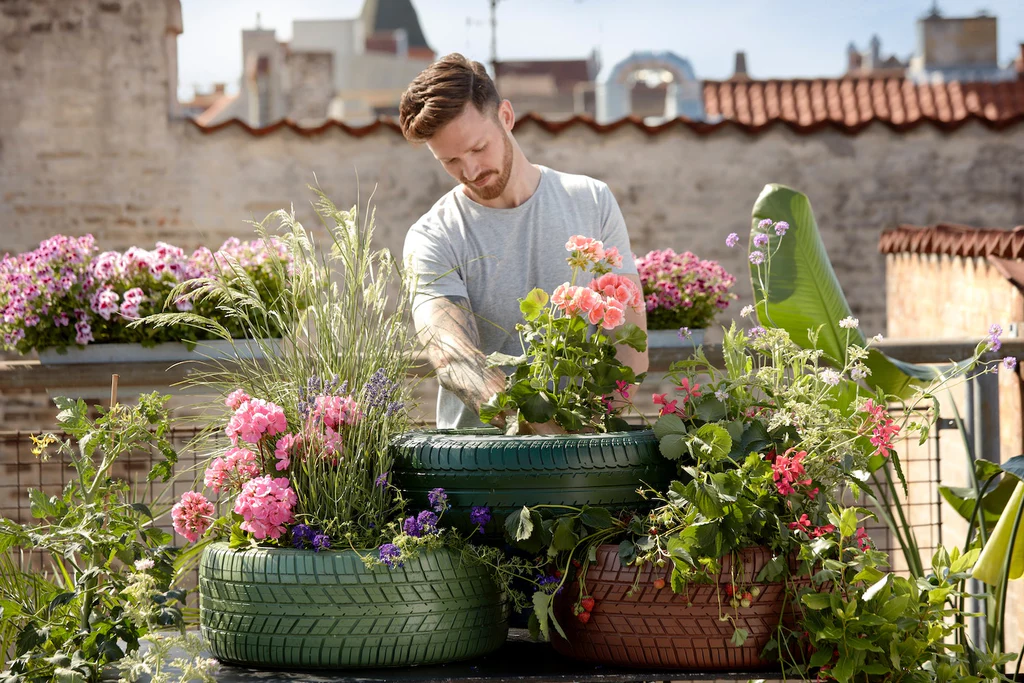
A yard can look green and still work against the land beneath it. Many American homeowners inherit outdoor spaces built around thirsty lawns, compacted soil, heavy chemical routines, and plants that need constant rescue. Sustainable Gardening changes that pattern by treating the yard as a living system, not a weekend decoration project. It asks a better question: what would make this space healthier next year, not only prettier by Saturday?
That shift matters because outdoor spaces now carry more pressure than they used to. They cool homes during hotter summers, absorb stormwater during heavier rains, support pollinators that food systems depend on, and give families a place to breathe without leaving home. A thoughtful garden can do all of that without becoming expensive or fussy. For homeowners, renters, and local growers across the USA, smart outdoor planning starts with choices that reduce waste, protect soil, and make the space easier to care for over time.
Build the Garden Around the Place You Actually Live
Healthy yards do not begin at the garden center. They begin with observation. The sun pattern, soil texture, wind exposure, rainfall habits, tree cover, and local wildlife already shape what your outdoor space can become. Fighting those conditions turns gardening into a long argument. Working with them turns the same space into something calmer, cheaper, and more alive.
Read Sun, Shade, and Drainage Before Buying Plants
Most garden trouble starts with impatience. Someone sees a plant tag, likes the flower, brings it home, and drops it into a spot that never had a chance. A lavender plant that loves dry heat will sulk in a damp corner. A fern will crisp up beside a reflective driveway. The plant gets blamed, but the placement caused the failure.
Spend a full week watching the yard before spending money. Notice where morning sun lands, where afternoon heat lingers, and where water gathers after rain. In much of the USA, the west side of a home can bake hard in summer, while the north side may stay cool and slow to dry. Those small differences matter more than most people think.
An eco-friendly garden works because the right plant sits in the right place from the start. That does not mean the yard has to look wild or unfinished. It means the design respects the site instead of forcing every corner to behave the same way.
Match Garden Choices to Regional Conditions
A backyard in Arizona should not copy a backyard in Vermont. That sounds obvious, yet national garden trends often flatten the country into one glossy image: bright lawn, mixed border, imported blooms, weekly irrigation. That image wastes money in dry regions and creates maintenance headaches in humid ones.
Regional thinking protects you from that trap. In the Southwest, gravel mulch, drought-tolerant perennials, and shaded seating may matter more than turf. In the Midwest, deep-rooted prairie species can handle heat, wind, and hard winters. In the Southeast, drainage and disease resistance often deserve more attention than cold tolerance.
Local extension offices, native plant societies, and county garden programs can help you make better choices than a random social media post. The best yards feel rooted in their region. They look like they belong there, and that quiet fit is what makes them last.
Restore Soil Before Demanding More From Plants
Once you understand the site, look down. Soil decides more than fertilizer, watering schedules, or expensive tools. Weak soil makes plants needy. Strong soil makes plants steadier, tougher, and less dependent on constant intervention. The mistake many homeowners make is treating soil as dirt that holds plants upright. It is not dirt. It is the garden’s working engine.
Feed Soil Life With Compost and Leaf Matter
Compost is not a magic powder, but it comes close when used with patience. It improves structure, helps sandy soil hold moisture, loosens clay, and feeds the tiny organisms that keep roots functioning. A thin layer added each season often does more good than heavy doses of synthetic fertilizer.
Leaves deserve the same respect. In many neighborhoods, bags of leaves line the curb every fall while homeowners buy mulch months later. That is a strange trade. Shredded leaves can protect beds, feed worms, and return nutrients to the same yard that produced them.
Soil health improves fastest when organic matter stays in the cycle. Grass clippings can remain on the lawn when they are short. Fallen leaves can move into beds instead of trash bags. Kitchen scraps can become compost where local rules and space allow. Waste starts looking different when you realize the garden was waiting for much of it.
Stop Disturbing the Ground So Much
Tilling feels productive because it looks dramatic. The ground turns over, weeds vanish for a moment, and the bed appears fresh. The problem is what happens after the show. Frequent digging can break soil structure, expose weed seeds, dry out the surface, and disrupt fungal networks that help plants share resources.
A no-dig or low-dig approach suits many home gardens better. Add compost to the top, mulch the surface, and let worms and microbes pull material downward over time. Raised beds, sheet mulching, and defined paths can reduce compaction without constant soil disruption.
This is where Sustainable Gardening becomes less about doing more and more about doing the right things less often. A garden that relies on restraint may look slower at first, but the payoff builds underground. Roots deepen. Water stays longer. Plants stop acting like every hot afternoon is an emergency.
Use Plants That Support Life Beyond the Fence
A prettier yard is nice. A yard that feeds bees, shelters birds, cools the home, and still looks cared for is better. Plant choice determines whether your outdoor space becomes a living part of the neighborhood or a green stage set. The difference often comes down to whether the plants provide food, cover, and seasonal value.
Why Native Plants Carry More Weight
Native plants have relationships built into them. Many local insects, birds, and pollinators evolved around specific leaves, flowers, seeds, and bloom times. A yard full of plants that offer little food may look lush while staying strangely silent. Add native plants, and the space often gains movement within a season.
This does not mean every nonnative plant must disappear. A good garden can include herbs, vegetables, heirloom flowers, and ornamentals. The stronger move is to make native plants the backbone, then add other favorites with care. Oaks, milkweed, coneflowers, asters, goldenrods, serviceberries, and regional grasses can support far more life than many decorative imports.
Native plants also reduce guesswork when chosen for the right site. They still need watering while they establish, and they still need weeding. After that, many settle in with less drama than plants bred mainly for shelf appeal. That reliability helps busy people stay committed.
Layer Flowers, Shrubs, and Trees for Habitat
Flat yards waste potential. A single lawn surface gives little shelter, limited food, and weak visual depth. Layering changes the entire personality of the space. Trees cool the ground. Shrubs create cover. Perennials feed pollinators. Groundcovers protect soil. Each layer does work the others cannot do alone.
Think of a small suburban yard in Ohio. A serviceberry near the fence gives spring flowers and fruit for birds. A row of native shrubs softens the property line. Perennials fill the sunny bed with staggered bloom times. A low groundcover keeps soil shaded near the walkway. The same square footage now carries beauty, shade, food, and structure.
An eco-friendly garden does not need to look messy to support wildlife. Edges, paths, repeated plant groups, and clear bed shapes can make habitat look intentional. The trick is not choosing between order and nature. The trick is giving nature a frame people can understand.
Save Water Without Making the Yard Feel Dry
Water habits reveal whether a garden works with reality or against it. In many parts of the USA, homeowners face summer heat, local watering rules, higher utility costs, or sudden dry spells. In other regions, the issue is not too little water but too much runoff during heavy storms. Better design handles both problems with less stress.
Design Water-Wise Landscaping From the Ground Up
Water-wise landscaping starts before the hose comes out. Group plants by water needs so thirsty vegetables do not sit beside drought-tolerant perennials. Use mulch to slow evaporation. Shape beds so rain sinks in instead of racing toward the street. Replace narrow strips of hard-to-water grass with plants that fit the space.
Lawns deserve an honest look here. Turf can serve a real purpose for play, pets, and gathering. Trouble starts when every unused corner becomes lawn by default. A steep slope, side yard, or baking curb strip may cost more in water and care than it gives back.
Water-wise landscaping should still feel welcoming. Shade trees, permeable paths, flowering perennials, and seating areas can make a low-water yard feel generous rather than sparse. Dry does not have to mean barren. Done well, it feels settled.
Catch Rain Where It Falls
Rain is easiest to manage before it leaves your property. Rain gardens, swales, permeable pavers, barrels, and planted low spots can slow water down and put it to work. This matters in neighborhoods where storms overwhelm drains, wash mulch away, or send dirty runoff into local waterways.
A rain garden near a downspout can be both practical and beautiful. Planted with species that tolerate wet feet after storms and drier soil between rains, it turns a problem area into a feature. In colder states, it can manage snowmelt. In warmer states, it can soften sudden downpours.
Soil health ties into water here again. Loose, living soil absorbs more than compacted ground. Mulched beds lose less moisture than bare ones. Every choice connects. That is the part many people miss: water savings rarely come from one gadget. They come from a yard that stops leaking resources in every direction.
Maintain With Fewer Chemicals and Smarter Habits
A garden becomes healthy through its daily habits. Products can help in some cases, but no spray or bagged solution can replace observation, timing, and restraint. The goal is not a perfect outdoor space. Perfect gardens are usually brittle. The better goal is a balanced space that can take a little pest pressure, a dry week, or a missed chore without falling apart.
Handle Pests Without Declaring War
Most insects in a yard are not enemies. Some pollinate, some feed birds, some break down organic matter, and some eat the pests you dislike. Broad chemical treatments often punish helpers along with troublemakers. That can leave the garden weaker after the problem appears solved.
Start with identification. Aphids on a milkweed stem are different from grubs destroying turf roots. Chewed leaves are not always a crisis. Many plants can lose some foliage and keep growing. Hand-picking, water sprays, row covers, trap crops, and targeted treatments often work without turning the whole yard into a battlefield.
This approach takes a cooler head than the quick-fix aisle encourages. Still, it pays off. Once lady beetles, lacewings, birds, and parasitic wasps find a place in the garden, they become part of the maintenance crew. You cannot buy that kind of help in a bottle.
Make Routine Care Fit Real Life
The most sustainable plan is the one you can keep doing. A high-maintenance design may look impressive for one season, then collapse when work gets busy, travel happens, or summer heat settles in. Choose routines that fit your actual week, not the fantasy version of your schedule.
Mulch once, water deeply, prune with a purpose, and leave seed heads where they feed birds through colder months. Sharpen tools instead of replacing them. Use electric or manual equipment where it makes sense. Plant densely enough to shade weeds, but leave enough access to move without crushing stems.
Water-wise landscaping, native plants, and low-waste habits all become stronger when maintenance stays simple. A garden should ask for attention, not obedience. That distinction keeps people from quitting.
Conclusion
A healthier yard does not come from one dramatic renovation. It comes from a series of better decisions made in the right order: read the site, rebuild the soil, choose plants with real purpose, protect water, and maintain with a lighter hand. Those choices add up faster than most homeowners expect, especially when they stop chasing instant perfection.
Sustainable Gardening gives you a way to make your outdoor space more useful, more resilient, and more connected to the living world around it. The reward is not only lower effort or fewer inputs, though both are welcome. The deeper reward is a yard that starts giving back: cooler shade, richer soil, more birds, cleaner runoff, and a place that feels alive because it is.
Start with one square bed, one patch of tired lawn, or one downspout that needs a better plan. Choose the change that removes the most waste and creates the most life, then build from there with patience and nerve.
Frequently Asked Questions
What are the best sustainable gardening ideas for beginners?
Start with compost, mulch, and better plant placement. These changes improve soil, reduce watering, and prevent common plant failures. Beginners should focus on one small area first instead of redesigning the whole yard at once, because early success builds better habits.
How can native plants improve a healthier outdoor space?
Native plants support local insects, birds, and pollinators because they fit the region’s natural food web. They also tend to need less rescue once established in the right spot. A yard with native plants often becomes more active, balanced, and easier to maintain.
What is the easiest way to improve soil health at home?
Add compost and keep soil covered with mulch, shredded leaves, or living plants. Bare soil dries out, compacts, and loses life faster. A steady supply of organic matter helps roots grow deeper and makes the garden more forgiving during heat or dry spells.
How does water-wise landscaping help American homeowners?
Water-wise landscaping lowers waste, reduces utility pressure, and helps yards handle dry spells with less stress. It also works in rainy regions by slowing runoff and keeping water on-site. The main idea is to match plant needs, soil conditions, and rainfall patterns.
Can an eco-friendly garden still look neat and designed?
An eco-friendly garden can look polished when it has clear edges, repeated plant groups, paths, and defined beds. Wildlife-friendly planting does not require chaos. Structure gives the yard order while flowers, shrubs, and trees provide food, shelter, and seasonal interest.
What are low-cost sustainable garden changes renters can make?
Renters can grow herbs in containers, collect leaves for mulch, plant pollinator flowers in pots, and avoid chemical-heavy routines. Portable raised beds also work well when allowed. These changes improve outdoor spaces without permanent construction or major expense.
How can I reduce garden pests without harsh chemicals?
Identify the pest first, then use the least disruptive method that works. Hand removal, row covers, strong water sprays, and healthier soil often solve small problems. Keeping diverse plants also attracts beneficial insects that help control pest populations naturally.
How often should sustainable gardens be updated or changed?
Review the garden each season, but avoid constant redesign. Plants need time to settle, spread, and show whether they fit the site. Make changes when a plant repeatedly fails, water pools in the wrong place, or maintenance demands no longer match your life.