
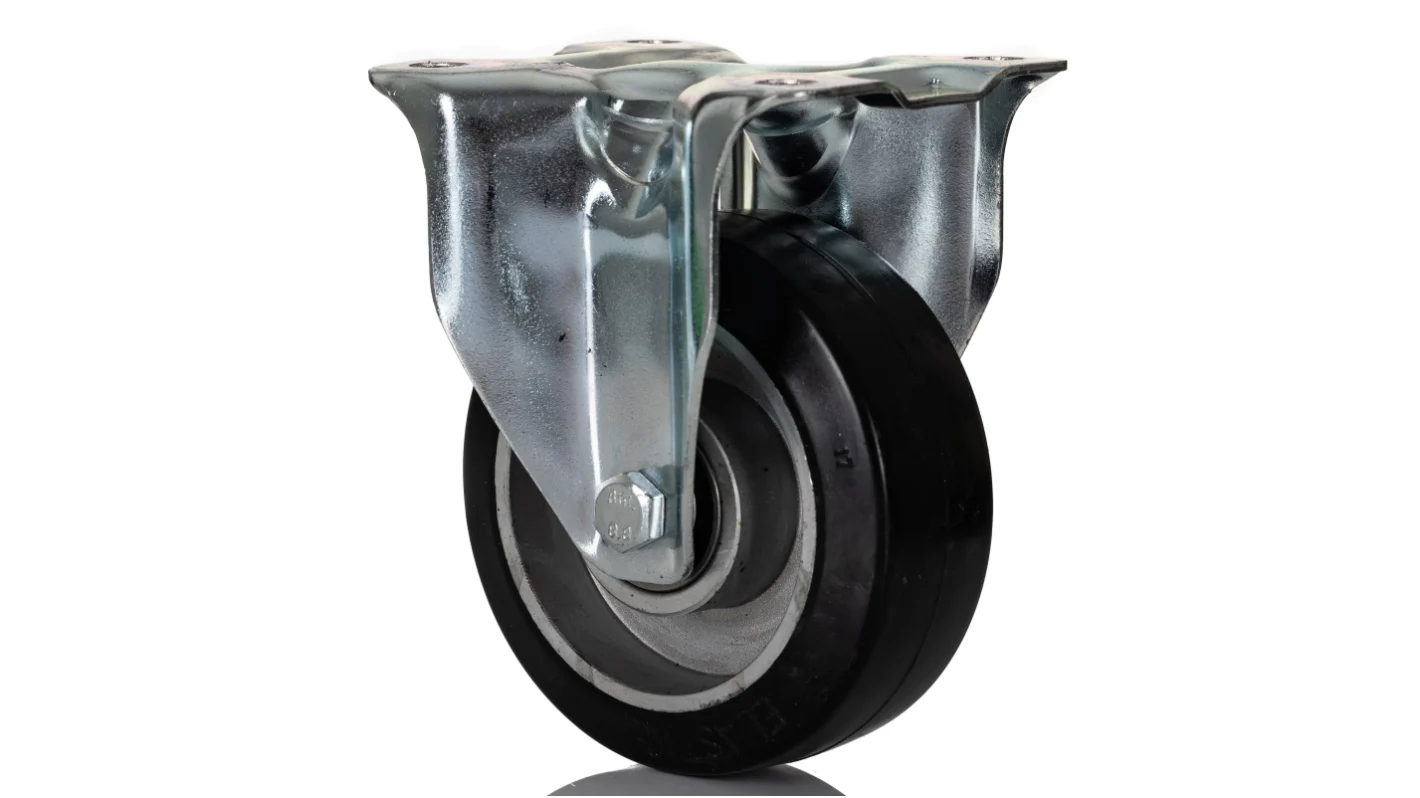
Castor wheels are among the hardest-working components in any warehouse, hospital, hotel, supermarket, or manufacturing plant in Kenya—yet they are almost always overlooked until a wheel seizes, a brake slips on a loading ramp, or a heavily loaded trolley tips over. In busy distribution hubs along Mombasa Road, industrial plants in Ruiru and Athi River, and hospital wards in Nairobi, a single jammed or collapsed castor wheel does far more than slow down operations: it causes severe back and shoulder strain for staff pushing stubborn carts, damages expensive epoxy or tiled floors, and creates serious workplace injury hazards.
Implementing a simple preventive castor maintenance and safe-handling routine dramatically reduces workplace accidents, extends wheel life by up to 50%, and keeps material handling effortless across your facility.
1. The Hidden Dangers of Neglected Castor Wheels
When routine castor inspection is skipped, minor wear quickly escalates into hazardous equipment failures:
- Musculoskeletal Injuries (Push/Pull Strain): A seized wheel bearing or hair-wrapped axle can double or triple the starting force required to push a loaded platform trolley—leading to lower-back injuries, wrist strain, and slips on wet warehouse floors.
- Runaway Trolleys on Ramps & Slopes: Worn brake pads, stretched wheel treads, or broken foot-pedal springs prevent total-lock brakes from holding securely on sloped loading docks, hospital ramps, or outdoor cabro driveways.
- Sudden Collapse & Tip-Overs: Loose top-plate bolts, cracked swivel raceways, or delaminated polyurethane treads can fail suddenly while turning a corner—spilling heavy stock, glass bottles, or sensitive medical machinery onto staff below.
- Floor Gouging & Trip Hazards: Flat-spotted or jammed wheels drag rather than roll, gouging deep grooves into epoxy coatings and cracking ceramic tiles.
2. Step-by-Step Preventive Maintenance Checklist
Scheduling a quick monthly inspection (or weekly in high-use 24/7 warehouses and hospitals) catches worn components before they fail mid-shift.
A. Clear Entangled Debris from Axles and Swivel Heads
- What to Look For: Stretch-wrap film, strapping tape, string, hair, textile fibers, and wire offcuts tightly wound around wheel axles and swivel raceways.
- Why It Matters: Wrapped plastic film acts like a friction brake on the wheel hub and forces dirt past bearing seals, destroying precision ball bearings.
- Action: Cut away wrapped debris regularly and ensure thread guards remain intact on hospital, laundry, and retail trolleys.
B. Inspect Wheel Treads for Wear, Flat Spots, and Delamination
- What to Look For: Uneven tread wear, flat spots caused by prolonged static loads, embedded metal shavings or glass shards, cracks, or polyurethane treads separating (“debonding”) from the inner metal/nylon hub.
- Action: Pry out embedded sharp debris with pliers before it chews up your facility floor, and replace any wheel showing tread separation or deep flat spots immediately.
C. Test Total-Lock and Directional Brakes
- What to Look For: Foot pedals that feel loose, fail to lock both the wheel rotation and swivel head crisply, or allow the wheel to creep when pushed firmly on an incline.
- Action: Adjust brake tension bolts where fitted, or replace worn brake assemblies immediately on any cart used near ramps, elevators, or patient beds.
D. Check Mounting Bolts, Stems, and Kingpins
- What to Look For: Loose top-plate nuts from floor vibration, bent threaded stems, worn expanding rubber adapters inside tubular legs, or excessive play (wobble) in the swivel raceway.
- Action: Tighten top-plate fasteners using nyloc (nylon-insert) lock nuts or spring washers so vibration cannot back them off, and replace any castor with a bent fork or cracked swivel raceway.
E. Lubricate Swivel Raceways and Wheel Bearings
- What to Look For: Stiff, squeaking, or gritty-feeling swivel rotation.
- Action: Apply high-quality lithium grease (or NSF H1 food-grade grease in bakeries, dairies, and hospitals) through the swivel grease nipple every 3 to 6 months—or monthly in wet washdown and dusty outdoor environments.
Quick Maintenance Frequency Guide by Facility Type
| Facility Environment | Inspection Frequency | Lubrication Interval | Primary Focus Areas |
| Logistics Warehouses & Factories | Monthly | Every 3 – 4 months | Stretch-wrap debris, top-plate bolts, tread wear |
| Hospitals & Healthcare Clinics | Bi-Weekly | Every 6 months (sealed) | Brake pedals, hair/lint removal, non-marking treads |
| Food Plants, Bakeries & Cold Rooms | Bi-Weekly | Monthly (NSF H1 grease) | Rust-free seals, washdown water ingress, wheel flats |
| Outdoor Yards & Construction Sites | Weekly | Every 2 months | Tyre PSI (pneumatic), mud/grit buildup, fork integrity |
6 Workplace Safety Rules for Trolley Operators
Even brand-new castors can fail or cause accidents if trolleys are mishandled by staff. Train warehouse, hospital, and retail teams on six simple operating habits:
- Never Exceed Rated Load Capacity: Keep cargo within the trolley’s posted weight limit and place heaviest items low and centered over the wheelbase to prevent top-heavy tip-overs.
- Push Rather Than Pull Whenever Possible: Pushing a trolley allows operators to see ahead clearly and uses body weight efficiently; pulling heavy carts backward strains shoulders and risks heels getting pinned under rear wheels.
- Never Drop Heavy Loads onto Trolleys: Dropping heavy crates or machinery from a forklift creates massive shock loads that bend swivel forks and shatter wheel bearings.
- Engage Brakes Every Time Before Loading or Unloading: Always lock swivel brakes before transferring goods—or before helping a patient into or out of a hospital bed.
- Cross Thresholds and Cabro Joints at a Slight Angle: Approaching door tracks or uneven joints squarely at high speed shocks all front wheels simultaneously; crossing smoothly at a slight angle reduces impact stress.
- Never Use a Foot to Stop a Rolling Heavy Trolley: Use the handle to decelerate and apply foot brakes only once the cart has come to a complete stop.
Keep Your Fleet Rolling Safely and Efficiently
Whether you need replacement wheels, brake assemblies, or a scheduled audit of your warehouse and hospital trolleys, we supply durable industrial and medical castors across Kenya. Contact our technical team today for bulk replacement quotes and maintenance advice.
