
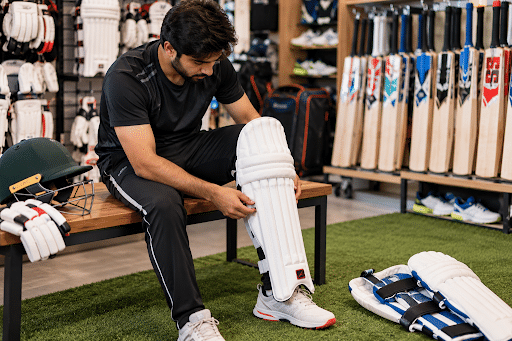
Cricket requires concentration, quick movement, and reliable protective equipment. For batsmen facing fast deliveries, batting pads play an essential role in protecting the legs while allowing natural footwork. Poorly fitted pads can restrict movement, cause discomfort, and affect confidence during an innings.
Choosing suitable cricket batting pads involves understanding their materials, construction, sizing, and protective features. Whether playing recreational cricket or competing at club level, selecting the right equipment can improve comfort without compromising essential protection.
Why Cricket Batting Pads Are Important
Batting pads protect vulnerable areas of the legs, including the knees, shins, and lower sections around the ankles. Fast deliveries can strike these areas unexpectedly, particularly when a batsman misjudges the bounce or misses a defensive shot.
Quality batting pads contain protective layers designed to absorb and distribute impact forces. Their construction should provide sufficient coverage while allowing players to move forward, backward, and sideways without unnecessary restrictions.
Understanding the Construction of Cricket Pads
Modern cricket pads contain several components that contribute to protection, flexibility, and comfort.
Front Protection: Reinforced outer sections cover the shin and help reduce the force of direct impacts.
Knee Roll: Protective padding around the knee supports bending during batting movements.
Side Wings: These panels provide additional coverage along the sides of the legs.
Top Hat: The upper section offers protection above the knee.
Straps and Inner Padding: Adjustable straps keep the pads secure, while cushioning improves comfort and positioning.
Some protective designs, including reinforced pads, combine high-density foam with cane inserts to provide impact resistance without excessive bulk. Understanding these materials helps players evaluate protective construction.
Traditional vs Lightweight Cricket Pads
Traditional cricket pads commonly feature cane-reinforced construction. They provide structured protection and are preferred by players who appreciate a conventional feel.
Modern lightweight cricket pads often incorporate high-density foam and engineered materials to reduce unnecessary weight.
Lower weight can support easier movement, particularly when running between wickets or adjusting footwork against different deliveries.
For example, certain lightweight designs emphasize flexibility and freedom of movement. However, players should evaluate protective coverage and durability rather than choosing equipment based on weight alone.
How to Find the Correct Batting Pad Size
Proper sizing is essential for effective leg protection. Oversized pads may shift during movement, while smaller pads can leave vulnerable areas exposed.
Manufacturers commonly recommend measuring from the middle of the kneecap to the top of the foot’s instep.
Players should compare their measurements with the manufacturer’s size chart because sizing can differ between brands.
Correctly fitted pads should align naturally with the knees and remain secure without restricting circulation.
Players comparing pad sizes should also check the available left-handed and right-handed variants. Wearing cricket shoes during fitting can help assess how the pads behave during realistic movements.
Does Batting Style Affect Pad Selection?
Batting style can influence equipment preferences, particularly when considering flexibility and weight distribution.
Aggressive batsmen who frequently run between wickets may prefer pads that allow quick movement.
Technical players may prioritize stability and comfortable knee movement during controlled defensive strokes.
Left-handed and right-handed batsmen should also consider the positioning of protective side wings.
Regardless of playing style, sufficient impact protection should remain the main priority.
Important Factors Affecting Cricket Pads Price in Pakistan
Cricket pads price in Pakistan varies according to materials, brand reputation, protective construction, and overall design.
Premium pads may contain reinforced panels, advanced cushioning, breathable inner materials, and adjustable fitting systems.
However, higher prices do not automatically guarantee better suitability for every player.
Comparing leg protection based on construction quality, comfort, and intended playing level can help players make informed decisions.
The ideal equipment should match individual requirements rather than simply representing the most expensive available option.
Common Mistakes When Choosing Cricket Pads
Several mistakes can affect protection and comfort:
- Choosing appearance over protective construction.
- Purchasing the wrong size.
- Ignoring right-handed and left-handed designs.
- Prioritizing low weight without checking protection.
- Overlooking strap quality and knee alignment.
Trying pads before regular use can help identify fitting problems.
Frequently Asked Questions
1. What are cricket batting pads used for?
Cricket batting pads protect the knees, shins, and lower legs from ball impacts during batting.
2. Are lightweight cricket pads better than traditional pads?
Not necessarily. Lightweight designs may improve mobility, while traditional designs offer different protective characteristics.
3. How do I measure my cricket batting pad size?
Measure from the middle of your kneecap to the top of your instep and consult the manufacturer’s sizing chart.
4. Are batting pads different for left-handed players?
Some pads feature different side-wing arrangements for left-handed and right-handed batsmen, while others are ambidextrous.
5. How long do cricket batting pads last?
Their lifespan depends on material quality, playing frequency, maintenance, and exposure to regular impacts.
Conclusion
Choosing cricket batting pads requires balancing protection, mobility, comfort, and correct sizing. Protective materials, suitable weight distribution, and reliable fitting systems all contribute to a comfortable batting experience.
By understanding pad construction and selecting equipment according to playing requirements, cricketers can maintain better freedom of movement while protecting vulnerable areas of their legs.
Read More: Why Fiber Cricket Bats Are Popular Among Modern Players
