Metal SIPs can remain serviceable for many decades when correctly designed, installed, and protected. Their actual lifespan depends on panel construction, moisture control, connections, exterior finishes, and local exposure. Age alone rarely tells you whether a structural panel needs replacement.
Well-built systems can keep their strength and insulation performance long after surrounding finishes need routine repairs. That distinction matters across many different building types. Documented field history across many building applications offers better guidance than a universal expiration date for metal SIP panels.
| Key TakeawaysA well-built system can serve for decades. There isn’t one fixed replacement age for every project. Panel design, installation quality, moisture management, and environmental exposure shape the real service life.Construction details make a major difference over time. Systems using galvanized steel framing molded into EPS behave differently from metal-faced sandwich panels. Their durability depends more on framing, connections, moisture paths, and envelope details.EPS can retain stable thermal performance over time. Properly manufactured expanded polystyrene reaches long-term thermal equilibrium relatively early. Aging doesn’t automatically cause continuing R-value decline as certain other foam products may experience.Maintenance should focus on the complete building envelope. Watch cladding, flashing, sealants, roof transitions, openings, and drainage paths. Early repairs protect the structural system without treating every surface problem as panel failure. |
How Long Can Metal SIPs Remain in Service?
There isn’t a fixed expiration date for steel-and-EPS structural panels. With sound construction and proper protection, they can perform for decades. Their actual lifespan depends on installation quality, moisture exposure, connections, and building maintenance.
Real buildings help put that durability into perspective. This type of panel construction has a documented production history reaching back to 1970. In northern Russia, a church built with the system in 1991 remains standing today. Its continued service is especially notable given the region’s demanding climate.
Such examples shouldn’t become universal lifetime promises. Instead, they show that well-designed assemblies can maintain useful service for decades. Regular inspections and timely envelope repairs help support that longevity.
What Determines the Lifespan of a Structural Insulated Panel System?
Long service life rarely comes from one material working alone. Several parts must handle heat, wind, moisture, movement, and daily building use together. Understanding those factors helps you catch genuine risks early.
Panel Construction and Material Quality
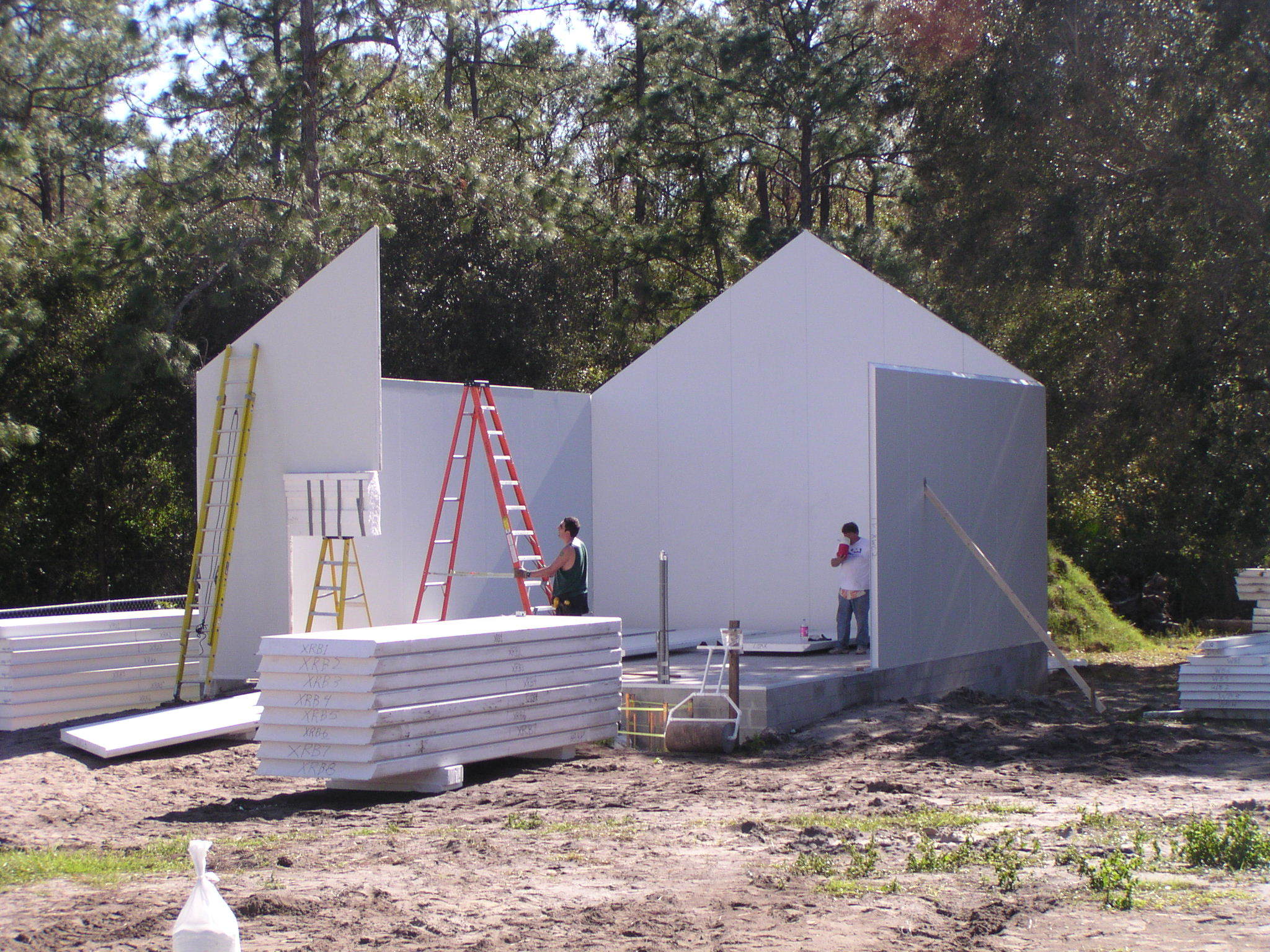
The internal structure strongly affects durability. Here, light-gauge galvanized or Galvalume, steel studs sit within molded EPS. The steel carries structural loads while the EPS laterally braces the framing and provides insulation.
This arrangement differs from foam covered by exterior metal facings. Therefore, scratched panel skins, coating wear, and face-sheet delamination aren’t the primary aging concerns. Exterior finishes form a separate building layer.
Installation and Connections
Durable materials can still underperform when installers mishandle connections. Panel alignment, fasteners, joint details, bearing points, and transitions must follow engineered requirements. Tongue-and-groove connections also rely on correct fit and fastening. Accurate installation protects structural continuity and reduces unwanted air or water pathways.
Moisture and Drainage
Water management matters around every building envelope. Leaking windows, failed flashing, roof penetrations, foundation problems, and damaged cladding can move water into hidden areas. Instead of blaming the panel immediately, trace the moisture source. Persistent leaks may begin far from the visible stain. Early repairs protect fasteners, finishes, interior materials, and surrounding assemblies.
Climate and Environmental Exposure
Local weather changes maintenance demands over time. Coastal salt, heavy rain, strong winds, freeze-thaw cycles, humidity, and intense sunlight can stress exposed building components. However, exterior weathering doesn’t equal direct exposure of embedded structural steel. Separate cladding faces outdoor conditions first. That distinction changes how you evaluate surface wear and corrosion risk.
Why Panel Design Matters for Long-Term Durability
Two insulated panel buildings can age very differently. The difference often lies inside the wall rather than on its visible surface. Structural layout, insulation type, thermal bridging, and cladding strategy all influence longevity.
Galvanized Steel Framing Molded Into EPS
Galvanized steel provides structural support without relying on an exterior face sheet. EPS surrounds the framing and gives it continuous lateral support. Together, those components form one composite structural unit.
Because the framing stays embedded, routine upkeep doesn’t involve repainting concealed studs. Maintenance should instead protect transitions, penetrations, connections, and exposed envelope components from repeated moisture.
Thermal Breaks Reduce Heat Flow Paths
Steel conducts heat easily, which makes thermal bridging an important design issue. This panel system separates interior and exterior frame sets with an engineered thermal break.
Independent modeling also found reduced thermal bridging through its channel arrangement and continuous insulation. Airtight construction further supports whole-wall thermal performance.
Exterior Cladding Remains Separate
Brick, stucco, siding, or metal can provide the exterior finish. These materials attach separately rather than serving as structural panel skins. Their maintenance schedules shouldn’t define panel lifespan.
For example, faded siding may need replacement while the structural wall remains sound. Damaged metal cladding also concerns the finish layer first. Surface repairs don’t automatically signal structural deterioration.
Does EPS Insulation Lose Performance as It Ages?
EPS generally retains its thermal performance as the building gets older. Its insulation value remains comparatively stable because the material doesn’t rely on long-lasting blowing agents. Those gases can slowly escape from some other foam products over time.
That stability matters when evaluating long-term panel performance. The insulation itself usually doesn’t become less effective simply because decades have passed. Instead, problems often develop elsewhere within the building envelope.
For example, failing sealants can allow unwanted air movement around openings. Damaged flashing may also introduce moisture near joints or connections. Before blaming older insulation, inspect these surrounding components first. Their condition often explains changing indoor comfort more accurately.
Can Moisture Shorten Panel Service Life?
Yes, repeated moisture exposure can reduce long-term panel durability. However, water problems often begin within surrounding envelope details rather than the panel itself. Poor flashing, damaged cladding, leaking windows, or roof penetrations can create hidden moisture paths.
Good moisture management therefore starts with careful detailing and regular inspection. Drainage routes should stay clear around foundations, openings, and exterior transitions. Damaged sealants also need attention before small gaps become bigger problems.
When moisture appears indoors, avoid assuming insulation failure immediately. First, inspect nearby joints and weather-protection components. Finding the true entry point helps prevent unnecessary repairs and protects the structure more effectively.
Does Galvanized Steel Support Long-Term Durability?
Galvanized steel carries a zinc-based protective coating that helps resist corrosion. In this construction, the framing also stays embedded within EPS instead of acting as exposed exterior sheet metal.
Still, cut edges, unusual chemical exposure, damaged connections, or chronically wet areas deserve attention. Renovations require particular care because uncontrolled cutting can affect embedded framing and load paths.
Before adding a large opening, confirm the panel layout first. Following appropriate structural details can prevent a simple remodel from creating future durability problems.
What Problems Can Shorten Service Life?
Avoidable durability problems usually begin at overlooked details. Water entry, poor connections, and careless later modifications matter more than calendar age.
Watch for these issues:
- Damaged flashing around openings and roof transitions.
- Persistent leaks near windows, doors, or penetrations.
- Blocked drainage or standing water near foundations.
- Incorrect fasteners or poorly executed structural connections.
- Damaged cladding that allows repeated water entry.
- Unplanned cuts through embedded framing or load paths.
- Major impact damage followed by delayed inspection.
One warning sign doesn’t automatically require replacement. Identify the source and extent first. Local finish repairs may solve the problem while leaving the structural system intact.
What Maintenance Helps Panels Last Longer?
Regular maintenance helps protect the entire building envelope over time. The panels themselves usually need less attention than exposed exterior components. However, nearby materials still require routine checks to prevent moisture and weather damage.
Start by inspecting cladding, flashing, sealants, gutters, and roof transitions. Look closely around windows, doors, vents, and utility penetrations. Small cracks or loose materials can create water entry points.
Keep drainage paths clear around foundations and exterior walls. After severe storms, check vulnerable areas for visible damage. If you plan renovations, confirm framing locations before cutting new openings.
Prompt repairs make a meaningful difference over decades. Addressing minor envelope problems early helps protect connections, surrounding materials, and long-term structural performance.
When Does Repair or Replacement Become Necessary?
Age alone shouldn’t decide whether a structural panel needs replacement. Condition matters much more. Serious concerns include damaged framing, failed connections, deformation, uncontrolled structural cuts, or persistent water intrusion.
A qualified engineer can separate cosmetic problems from structural damage when the cause isn’t obvious. That distinction matters because exterior finishes often need attention sooner than the wall behind them.
Replacing siding, repairing stucco, or correcting flashing doesn’t automatically require structural panel replacement. Careful diagnosis prevents unnecessary demolition and keeps repairs focused where they belong.
Conclusion
Metal SIPs can provide reliable service for many decades when design and installation work together. Their actual lifespan depends on structural details, moisture control, connections, exposure, and routine envelope maintenance. Galvanized steel framing protected within EPS avoids several concerns associated with exposed metal skins.
Stable EPS also helps preserve thermal performance over time. Separate cladding may need repairs sooner without indicating structural panel failure. Documented projects spanning several decades offer stronger evidence than sweeping lifetime promises. Careful inspection therefore matters more than calendar age when judging condition. Ultimately, construction quality and ongoing protection shape the service life of metal SIP panels.
Read More: What Thickness of Insulated Metal Panels Should I Choose